Compare this episode with the previous
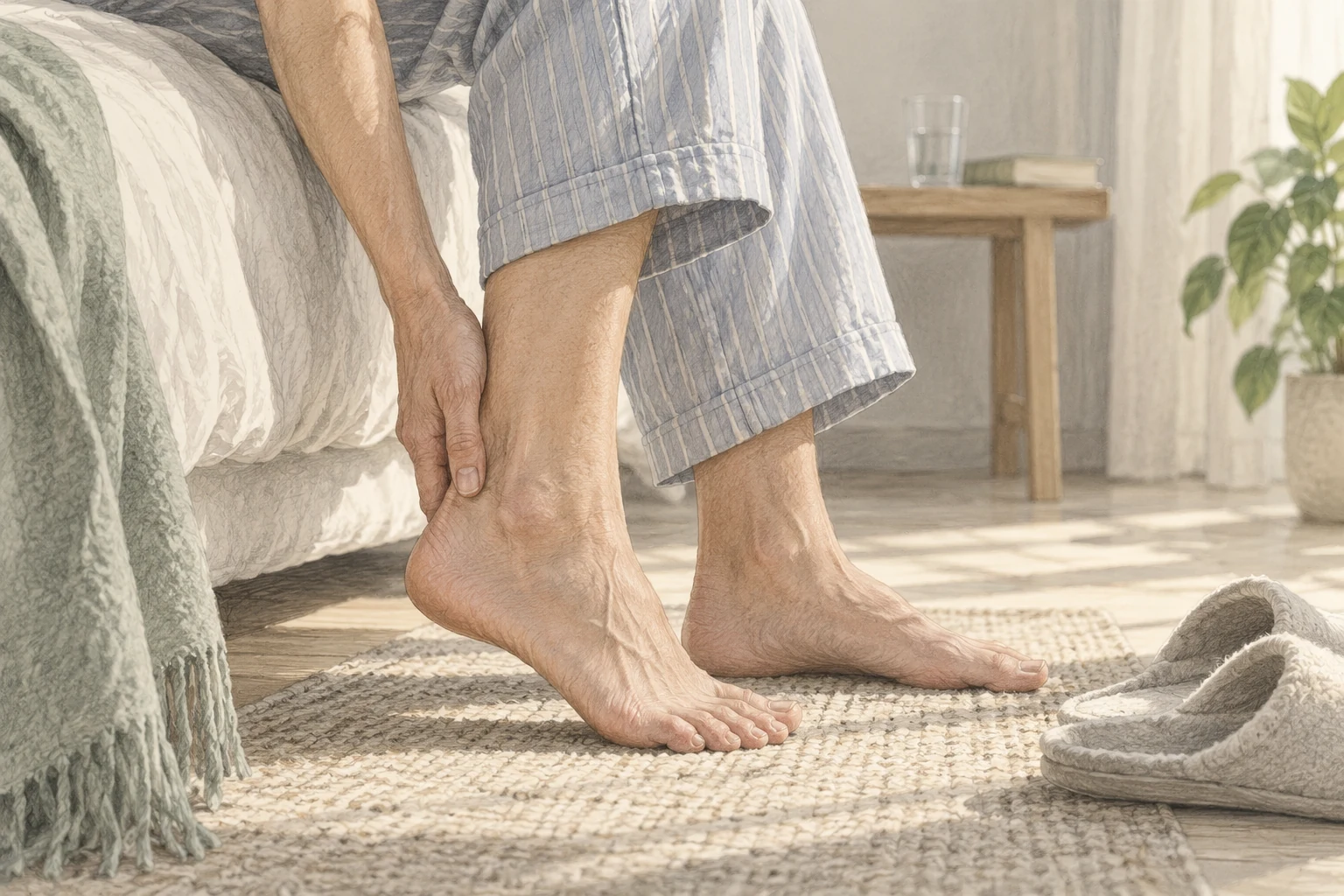
Start by asking if it looks like the same symptom. Is the pain in the same place, is it caused by similar activities and feels the same start-up? A new injury moment or other pain site may mean that re-examination is necessary. The old Achilles Tendon symptom label must not make new information invisible.
Also write down what happened between the periods. Were you completely symptoms-free or were there any minor limitations? Could you fully resume your sport or just a modified variant? These differences determine exactly what return means. A revival during an ongoing construction may require something other than a new symptom after a long period of good times.
Look for changes without pointing at one culprit
A holiday, illness period, sports stop or changed working week can interrupt the usual load. After that, going back to the old level feels obvious. Yet that level is not automatically the best new starting point. Additional speed, races or a series of tough days can also be relevant, even if the week distance did not change much.
The guideline on relapse prevention advises gradual build-up after relative inactivity and calls considering continued calf training. It also makes it clear that the basis for prevention strategies is limited. So returning symptoms is not proof that you have forgotten one crucial exercise or personally failed.
What was the previous improvement?
Sometimes pain is mainly reduced due to temporary reduction of activities. This is valuable, but not the same as having recovered all the necessary loadability. So look back at functioning. For example, could you repeat training, work normally and then recover properly? Or was one good session sufficient reason to resume everything?
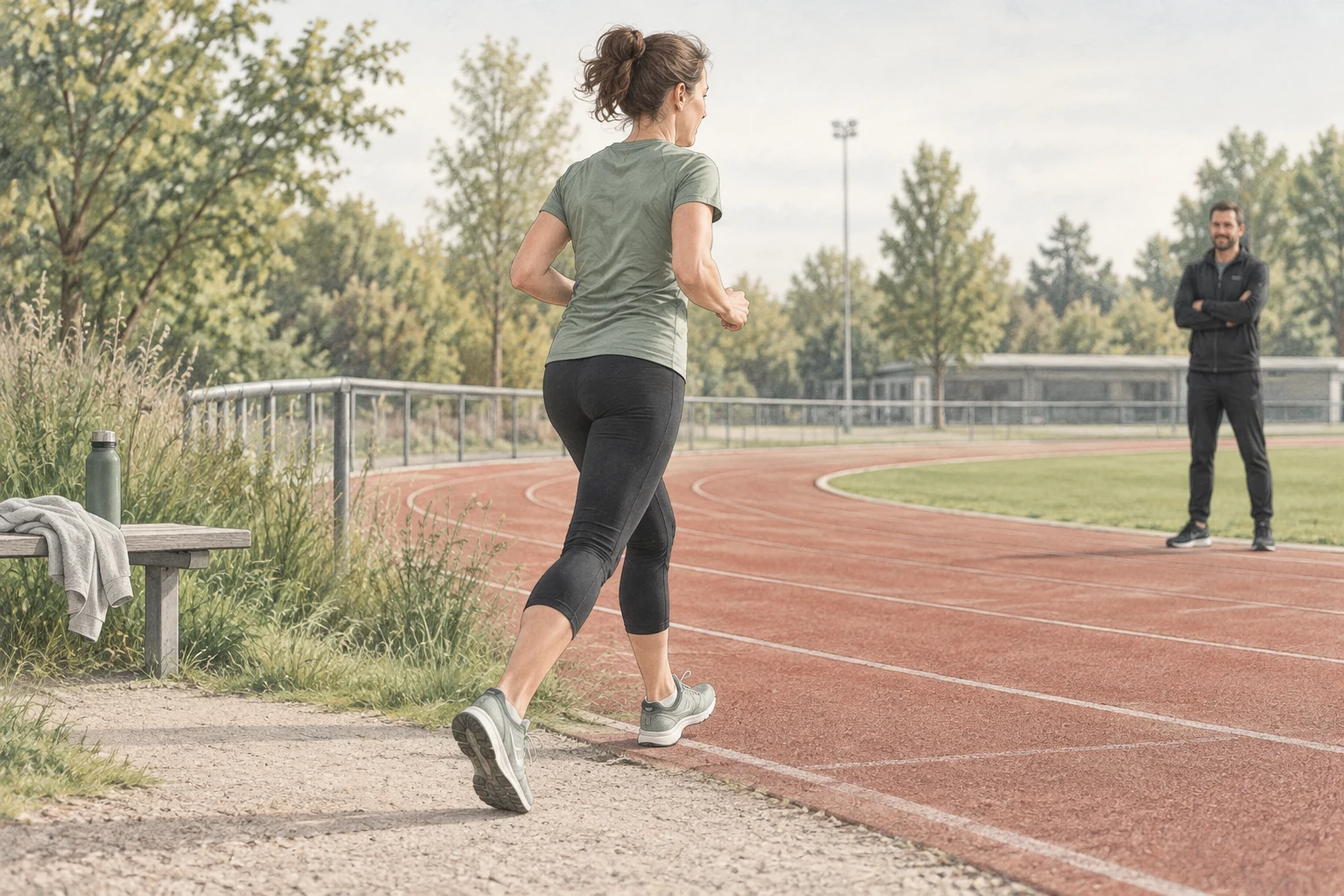
A think example: walking went well again, after which an old intensive running training was immediately picked up. The return of pain may then give rise to an examination of the intermediate steps. It does not automatically mean that the previous treatment pathway was worthless. Perhaps the plan did not prepare enough for the next level of sport or the transition was too large for the current situation.
Create a compact timeline
A look back becomes more useful when it remains concrete:
| Period | What are you laying down? |
|---|---|
| For improvement | Main restrictions and daily burden |
| During the approach | Exercises and adjustments actually performed |
| On Resume | What activity, duration or speed was added? |
| Around the return | New peaks, breaks, shoes or circumstances |
| Now | Current pain, function and what still works well |
Take the timeline with you to an evaluation. It helps to prevent the exact same requirement from being repeated without taking advantage of the previous experience. You don't have to reconstruct all the training data from months ago. The major changes and the current problem are usually the main points of discussion.
Set a repeatable starting point
A new structure does not necessarily have to start completely from scratch. First of all, it looks at what is still possible and what is a clear response each time. The plan may include a temporary adaptation, other distribution or targeted practice step. The choice depends on the assessment, not just on the word relapse.
The guideline on forecasting describes a variable course and the possibility of long-term symptoms. A fixed end date is therefore not a good measure. Choose a functional goal that you can follow and discuss what will be reviewed in the absence of progress. Thus, the construction remains concrete without a guarantee of results.
Recognize when to look wider
Contact us again if the symptom changes, your daily functioning is clearly decreasing or both tendons and other joints will play along. Report relevant medical changes and medication to the evaluating healthcare provider. Do not stop medication yourself because you suspect a connection. The point is that the context is taken into account.
A sudden handsome with loss of sales power is no ordinary relapse and requires immediate medical assessment. In the case of gradually recurring symptoms, a targeted analysis is particularly necessary. Ask what the current explanation is, what part of the old plan is preserved and what is now consciously done differently. This will make the next step a building plan rather than the same cycle of complete stopping and quick resumption.
Frequently asked questions
Does recurrent pain mean the tendon is broken again?
You can't deduce that from pain alone. Look at the symptoms pattern and functioning, and have new or clear changes assessed. A return may be related to multiple circumstances. The goal is to determine what is needed now, not automatically assume new damage.
Do I have to start practicing all over again?
Not necessarily. Your current possibilities and the cause of the adverse reaction determine the starting point. Sometimes a limited adjustment is enough; sometimes a broader re-evaluation is necessary. Use the previous experience, but do not copy the same schedule without weighing.
Does permanent calf training prevent any relapse?
No. Maintenance of calf power may be considered, but does not warranty. Sports building, daily stress and periods of less activity also count. The guideline identifies uncertainty about effective prevention strategies, so relapse is not evidence of insufficient commitment.
When is a new scan useful?
Especially when there is a specific question that research can answer, for example in case of diagnostic doubt or an unexpected change. A repeat scan only to see if the tendon is thicker again does not automatically explain the pain or the correct follow-up step.
Sources and evidence
- guideline Achilles tendinopathy — Prevention of relapse (2020) ↗
Gradual build-up after less activity and consider maintenance of calf power.
- guideline Achilles tendinopathy — Long-term forecast (2020) ↗
Variable course and possibility of persistent symptoms.
A personal follow-up step
From insight
to an appropriate plan.
At a paid intake, we'll discuss your symptom and do targeted research. ultrasound is included at no extra cost when it makes sense. Any treatments are agreed separately.
View the initial consultation