A long duration of symptoms does not tell the whole story
Two people can both have a year of helping and a completely different trajectory. One had long good periods in between; the other had almost daily restrictions. The load may also vary. Therefore, only the starting date does not say much about which follow-up step is appropriate. Also describe changes, treatments and what you can still do.
Thuisarts indicates that the course is different per person and that symptoms can also last for more than a year. A general prognosis is not a deadline. Those who still have symptoms after a specified period do not have to conclude that they have been mistrained or that all the possibilities have been exhausted.
Make a distinction between trying and actually performing
A treatment history may be long without a single plan being sufficiently clear and practicable. Maybe exercises alternated quickly, lacked explanation or you couldn't combine the program with work. Those are relevant circumstances. It is more useful to discuss them than to check a list of treatment forms if failed.
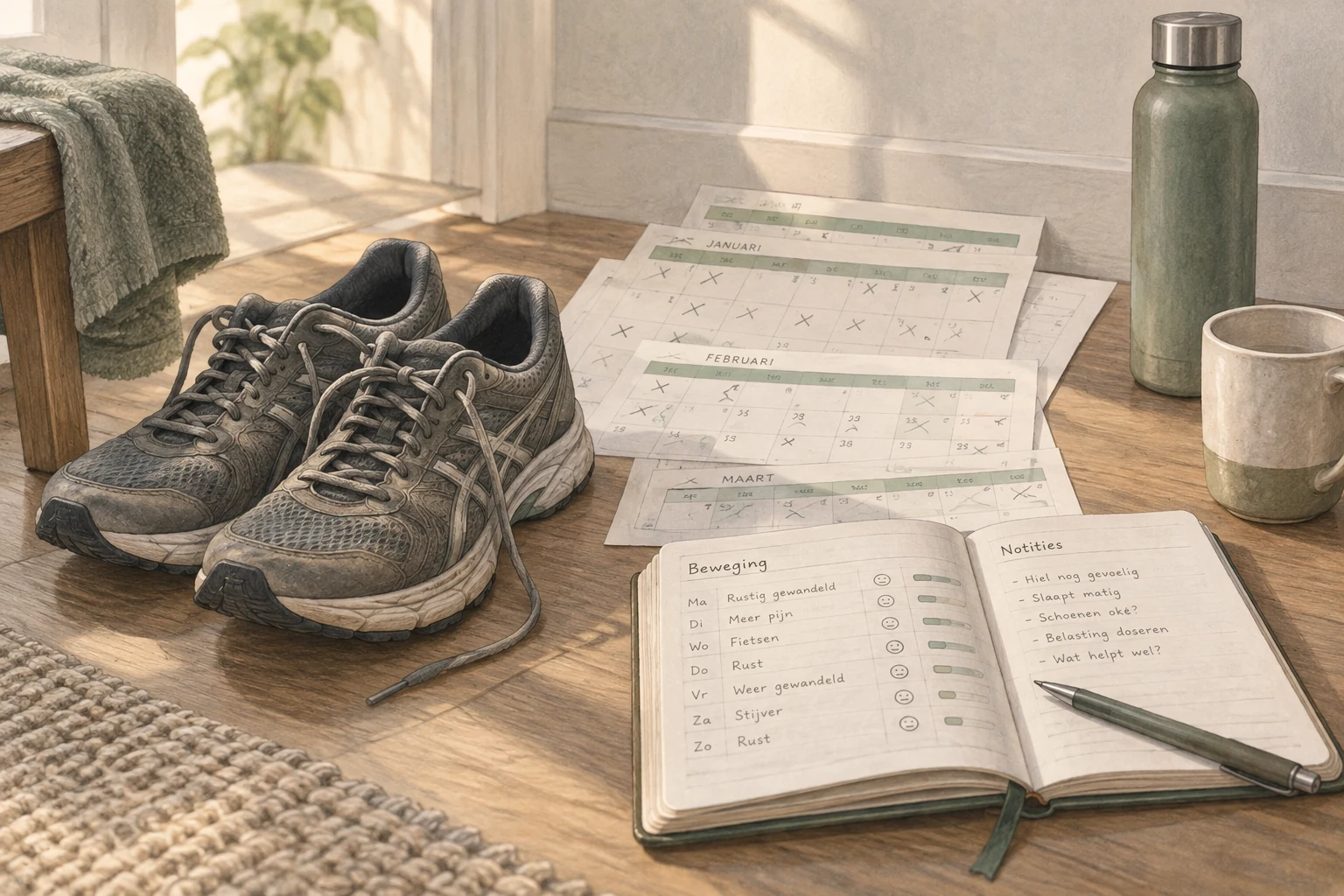
Write down by attempt what the goal was, what you actually did and on which the result has been assessed. One example: a sole has been bought, but does not fit in the mandatory working shoes. That is a problem of applicability and does not say much about what could change during the greatest load. Such a detail can make a subsequent weighing much more concrete.
Daily peaks can maintain a pattern
A few quiet days can give relief, after which many delayed activities are caught up at the same time. Then the pain returns and again almost everything is avoided. This creates a variable pattern without the average loadability clearly building up. Recognizing this is not a reproach; it is an opportunity to improve planning.
The guideline on education emphasizes personal explanation, physical load and realistic goals. Therefore, look at an ordinary week, including work, household and relaxation. A plan that only takes exercise into account but ignores the rest of the week, can not sufficiently match the real challenge.
A new assessment can change demand
In the absence of progress, it makes sense to check whether the original image still fits. Is the pain in the same place? Has there been a new injury? Have emotional changes or symptoms been added elsewhere? Such information may be a reason to explore more widely. More of the same treatment is not always the most informative step.
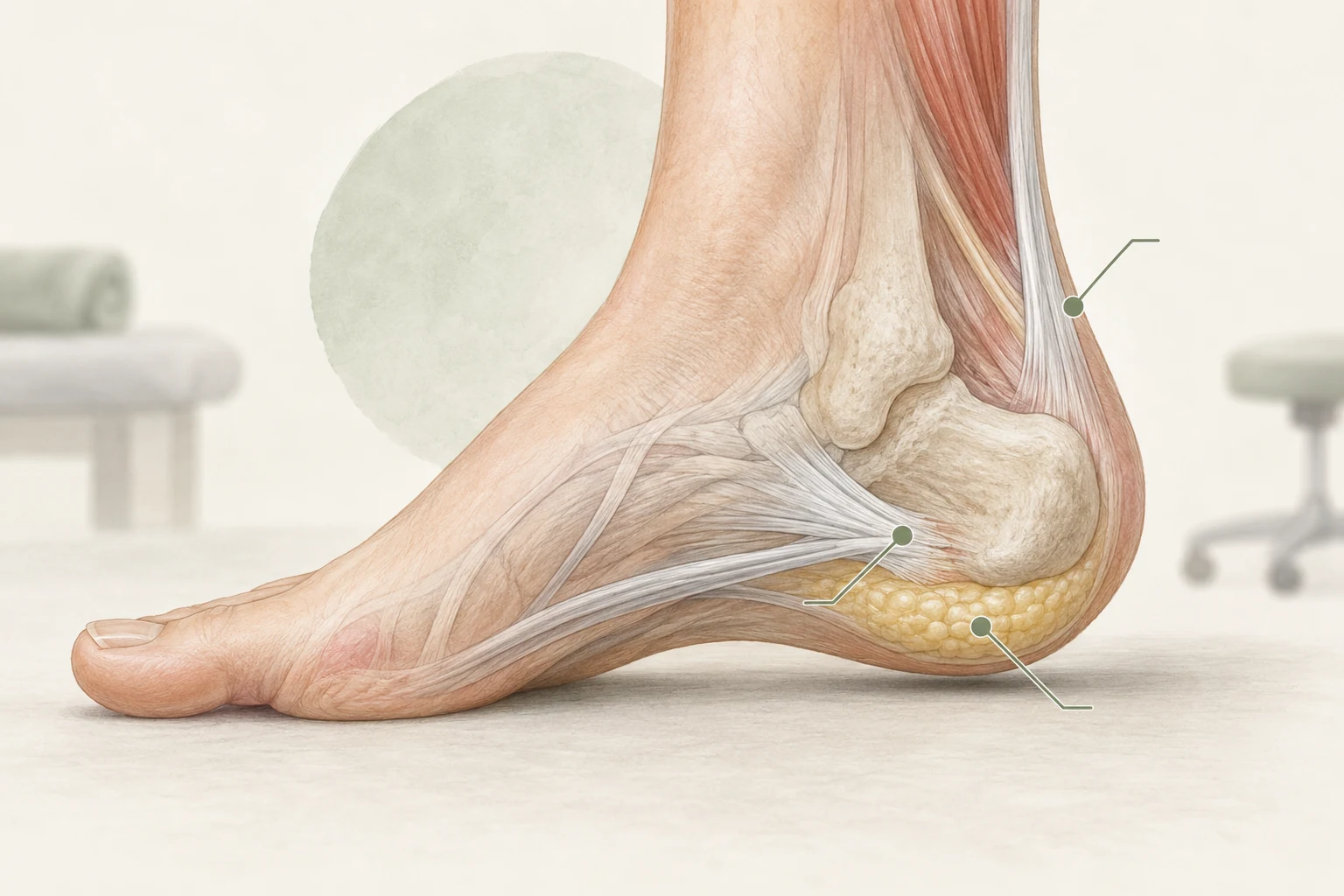
Ask also what additional research would yield. An ultrasound or photo is especially useful if the result can change a relevant decision. The desire to finally make something visible is understandable, but a deviation on a scan does not always explain the level of daily symptoms. A good assessment connects findings with their functioning and identifies what remains uncertain.
Choose progress that you can recognize
Just asking if the pain is gone, missing intermediate steps. Maybe you can do the same message more easily, take less rest or dare to plan a social activity again. Those are concrete changes. At the same time, a better pain rate can be associated with less activity; then the picture is less favourable than the figure suggests.
For example, use a small progress overview:
- One day-to-day activity that you care about.
- What you can do in there now and what adjustment is needed.
- The reaction later and after rest.
- A little change that makes a noticeable difference to you.
- An agreed moment to discuss whether the approach still fits.
This doesn't make pain unimportant. It puts the pain next to the life you want to live. If the chosen activity is always unfeasible, the goal can be reduced or the support changed without letting go of the final desire.
Avoid an endless search for the next technique
In case of prolonged pain, it is understandable that a new treatment becomes attractive. Always ask what it adds to the existing approach, on which the expectation is based and when stopping is reasonable. Costs, time and temporary reactions count. A second assessment may be useful if the reasoning remains unclear but does not necessarily lead to more interventions.
Also discuss the influence of uncertainty, frustration and fear to move. Those experiences are real and deserve attention without dismissing the symptom as only psychological. A useful plan contains space for questions, a feasible activity and an evaluation that makes clear what the next step is. For example, long-term help is a problem that is being addressed, rather than just a series of descending treatment pathways.
Frequently asked questions
Is long-term helping always a sign of permanent damage?
No. symptom duration and pain intensity do not directly tell how much tissue damage is present. However, a persistent limiting or changing pattern should be re-evaluated. The aim is to understand what is still in play and what approach is feasible.
Should I have everything re-examined?
Not automatically. Start with an overview of previous findings and the current question. Targeted re-examination may be useful in case of diagnostic doubt, change or insufficient progress. Repeating a scan without new demand does not automatically produce a better plan.
When does a second opinion make sense?
For example, when the explanation remains unclear, different advice collides or a properly executed trajectory does not give a direction. Formulate in advance what question you want answered and bring reports. For example, the second assessment is more than retrying the same treatment.
Can I move forward while I'm still in some pain?
Yes, improvement can also be demonstrated by more functioning and fewer limitations. Look at the reaction to that greater activity, not just to pain at rest. Discuss which intermediate steps are meaningful for you and when remaining symptoms require additional assessment.
Sources and evidence
- Thuisarts — Choosing heel track and treatment for a long time (2026) ↗
Night splint, tape and uncertainty about treatments in long-term helping.
- guideline Fasciopathy plantar — Education (2026) ↗
load alignment, personal goals and varied course.
A personal follow-up step
From insight
to an appropriate plan.
At a paid intake, we'll discuss your symptom and do targeted research. ultrasound is included at no extra cost when it makes sense. Any treatments are agreed separately.
View the initial consultation