A staircase is not a diagnostic test
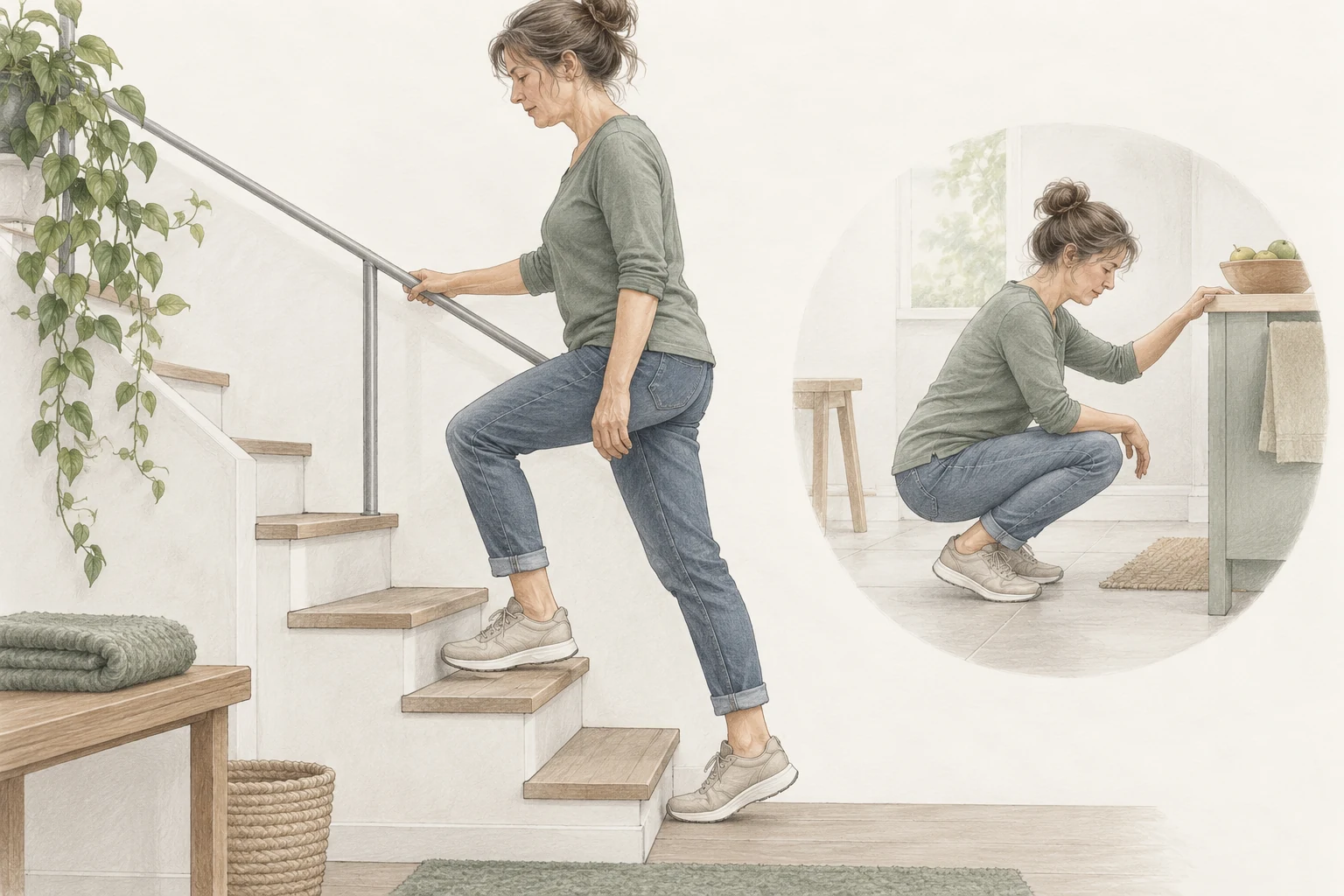
Many people notice knee pain first on the stairs. You use the knee there repeatedly under load and it's hard to skip the movement. It is tempting to immediately distract the cause from pain when walking up or down. This information is too limited: various diseases may be sensitive to the same task.
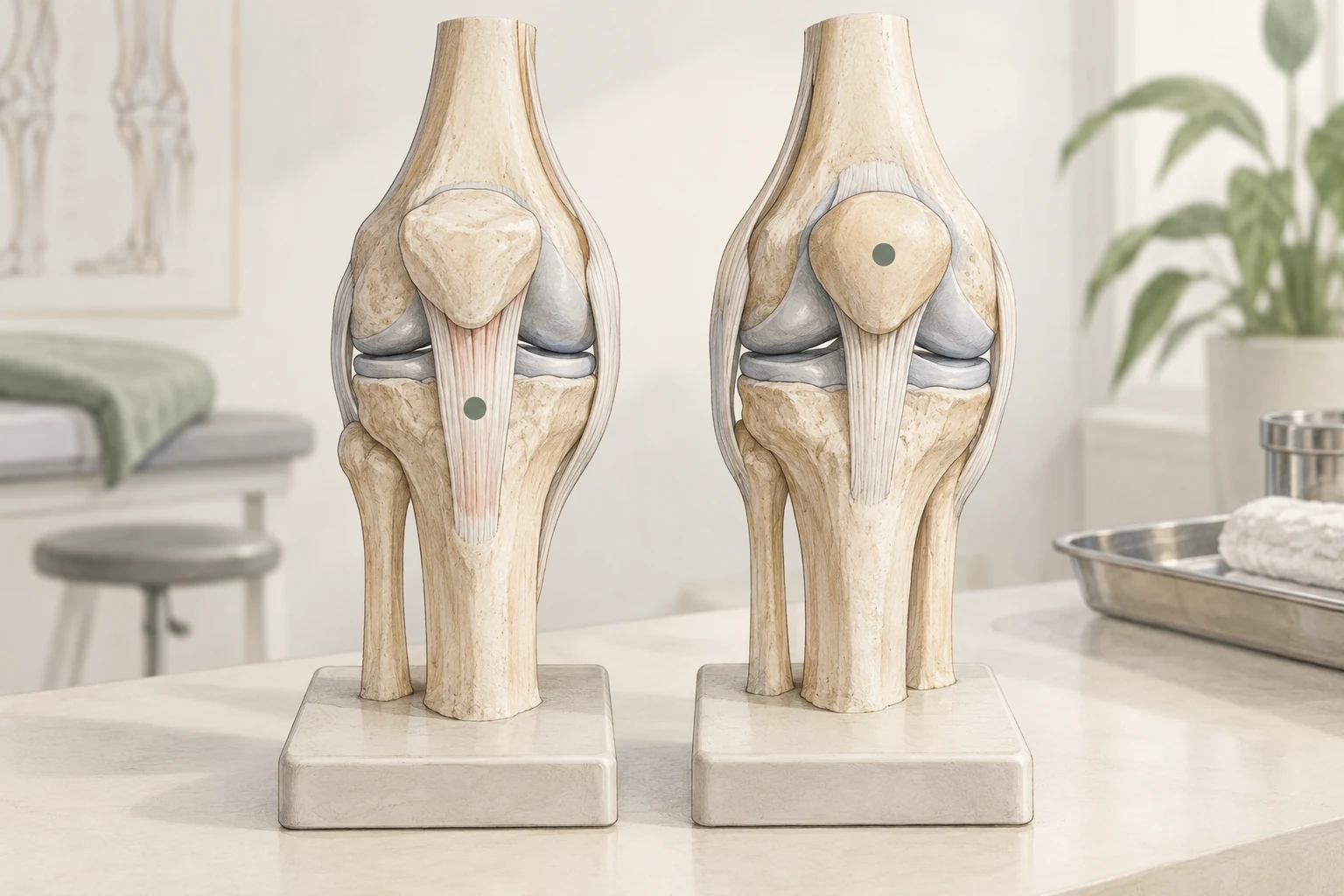
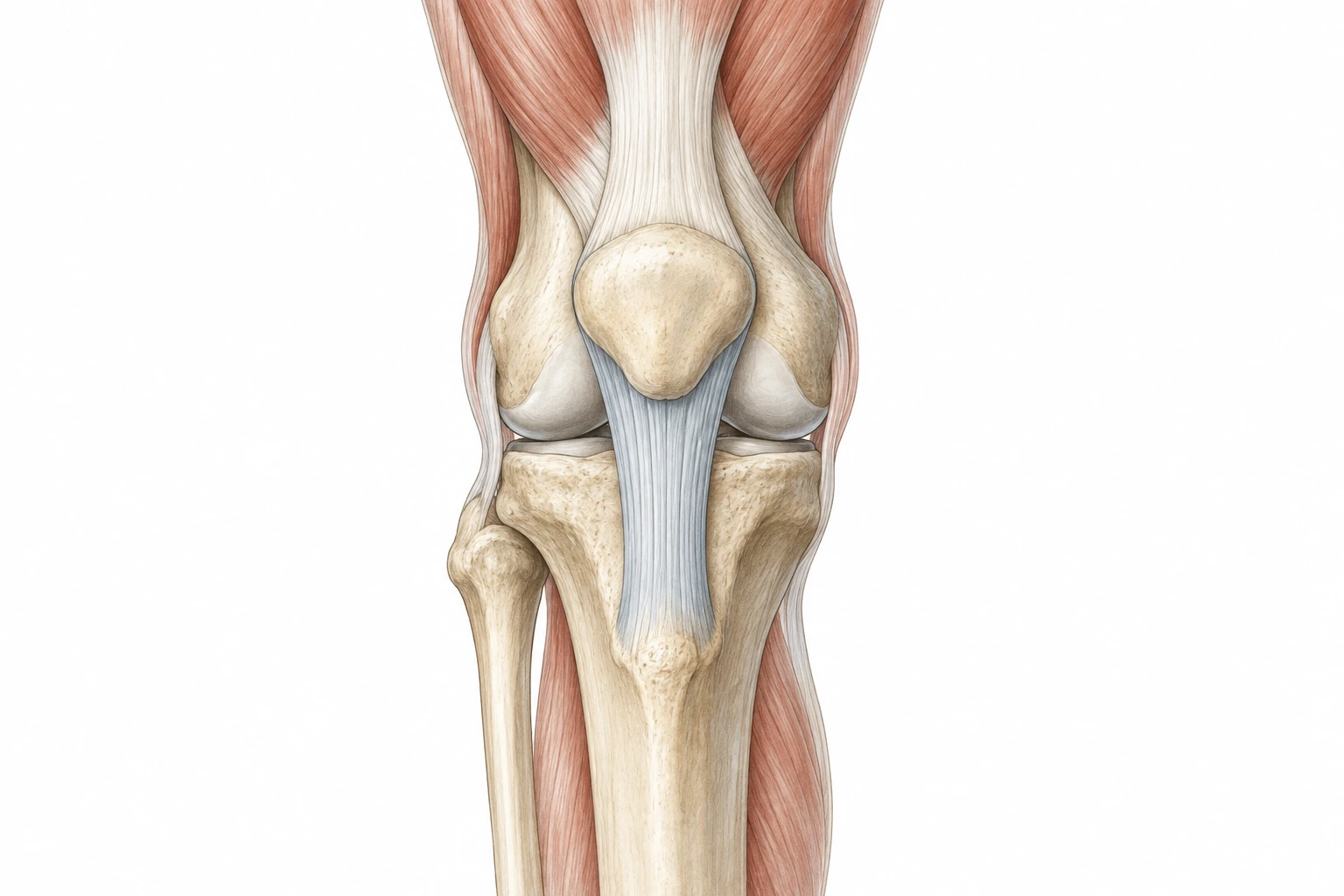
Thuisarts describes stairs and squats as possible painful activities in patelophymoral symptoms. The patellar tendon can also cause symptoms during such activities. So the movement tells you what you run into in daily life. That information will only become directional together with the pain site, course and physical examination.
Describe which stair movement is difficult
Walk up, descend, take two steps quickly and go up the stairs with messages are different situations. The same goes for squatting: a short knee bending to pick something up is different from long-term low working. Therefore, state the task as it actually takes place.
A useful description shall include, for example:
- Where the pain begins: under, round, behind or on one side of the kneecap.
- Whether the first step is sensitive or the pain does not occur again.
- Whether tempo, bag or low chair makes a difference.
- Whether the knee relaxes afterwards or remains more sensitive for hours.
- Whether there's swelling, blocking or a recent twist.
You don't always have to provoke the pain consciously to make sure she's there. Use normal daily moments as a source of information. Repeated deep squatting to check can become part of the load itself and makes the pattern less clear.
symptoms of tendons or kneecap pain?
In case of patella symptoms of tendons, local load-related pain often fits at the lower edge of the kneecap. The guideline on the establishment of patellate dinopathy combines this with research. Pain around or behind the kneecap may fit more patellofemoral pain, but these descriptions are not self-diagnosis.
Age, previous injuries and the origins also play a part. A knee that gradually became sensitive during a busy training period asks questions other than a knee that is thick and hard to load after a fall. Therefore, a clinician should look further than the label pain when walking stairs.
Nor is an ultrasound an automatic outcome of this symptom. Ask what specific uncertainty it will examine. If the clinical picture is already sufficiently clear and the results do not change the plan, treatment and evaluation can be more logical than collecting more images immediately.
Adjust without shutting down all day
When a particular task gives a lot of symptoms, you can explore what adjustment makes the day more feasible. Think of walking more slowly, using the railing or distributing things over less heavy movements. Choose something that fits practically and pay attention to whether it really makes a difference. These are temporary possibilities, not a mandatory new way of walking.
When squatting it can help to discuss how much depth and repetition is needed for the task. For example, putting something at a higher level can change the workload. For someone with a job in which work is very low, only a training advice for home is insufficient. The work schedule and available tools are then part of the conversation.
One example: someone practises in the morning and walks the stairs dozens of times during work.In the evening the knee is sensitive. Then it is not self-evident that the exercise was wrong. First, the combination must be visible. In particular, the daily schedule may require adjustment, possibly the exercise dose, or both.
Use one daily task to track progress
Choose a recognizable moment, such as the stairs at home after breakfast or getting up from your fixed chair. Write down how that goes every now and then: pace, need for support, pain and trust. Try to keep the circumstances slightly equal, so that an improvement is not only because you choose another task.
The goal is not daily exam stress. A few similar observations spread over time can already help to discuss the course of events. Also take what you do more or less. A pain-free day on which you barely moved has a different meaning than a quiet knee during a normal working day.
If daily tasks go better, heavy sport does not have to fit immediately. Running is a useful recovery goal in itself, but does not represent all the forces and speeds of jumping or sprinting. A follow-up plan can therefore add other functional targets when they become relevant again.
What changes do we need to assess?
Let the knee assess when the symptoms persist, clearly limit your daily functioning if the pattern is not clear. A sudden thick knee, really blocking or clear symptoms after an accident are reasons to contact the GP. So describe if you can load the leg and move the knee.
A specific warning signal at the tendon region is sudden severe pain with the inability to actively stretch the knee or lift the stretched leg. Thuisarts advises you to call GP or GP immediately in that situation. Don't try to determine what's going on with extra squat or jump tests.
Frequently asked questions
Is descending pain always wear and tear?
No. The task burdenes several structures and can be painful in the event of various symptoms. Descend pain is relevant information, but no evidence of osteoarthritis or cartilage damage. The place, course and investigation determine which explanation is most plausible.
Can I keep using the stairs?
That depends on the severity and response. In the case of gradual symptoms, adjustment of pace, quantity or support may be useful. In case of acute severe pain, clear swelling or loss of function, assessment is more important than further experimenting with the stairs yourself.
Do I have to avoid all knee-bending?
A permanent ban on knee bending does not follow from pain in squatting. Often the search for a manageable movement and a gradual build-up is sought. How deep, heavy and often you practice is part of a personal plan and is adapted to your response.
Does shockwave help with stairwell pain?
Step walking pain is a symptom, not an indication of device treatment. First, the cause must be assessed. In addition, the added value of shockwave is uncertain in the case of tendon patella symptoms; other knee problems can be a completely different approach.
Sources and evidence
- Thuisarts: I have kneecap pain when moving ↗
symptoms in squatting and stairwells; examination of pain site, swelling and mobility; adjustment of load.
- Anterior knee pain guideline: history and physical examination of PT (2022) ↗
patellar tendon diagnosis requires appropriate grievance pattern and investigation; imaging on indication.
- Thuisarts: I have a jumper knee ↗
load-related symptoms from the patellar tendon and acute alarm signals.
A personal follow-up step
From insight
to an appropriate plan.
At a paid intake, we'll discuss your symptom and do targeted research. ultrasound is included at no extra cost when it makes sense. Any treatments are agreed separately.
View the initial consultation