Start with your main question
A first appointment is more useful when you know what you want to understand. Perhaps EMTT has been mentioned as a supplement, but it is still unclear which problem it deals with. Write down that question in plain language before you come.
Also describe what you want to be able to do. A specific purpose, such as using an arm during a daily task, helps with the assessment. Restoring my tendon makes sense, but is more difficult to measure than recognizable activity.
Bring earlier explanations if you've been referred to by another clinician. This prevents everyone from starting from a different diagnosis or expectation. After all, a proposed technique is only a treatment plan when purpose and reason are clear.
Collect relevant medical information
Report conditions, surgeries, implants and medical devices. Think of electronic systems that you wear or use. Write down pregnancy or its possibility. This information should be available before application.
The manufacturer's documentation on EMTT and implants shows why different types require their own safety weighting. Bring an implant card or relevant letter if you have it. In the case of unknown data, further verification may be required.
Also make a current medication list. You do not have to decide in advance what is or is not relevant. Don't change medication on your own initiative. The conversation should organize the information, not lead to unaccompanied changes of other care.
Ask for practical implementation
Learn how long the appointment lasts, what attitude is needed and whether clothing or tools require attention. The user manual of the described EMTT device contains specific instructions for use and safety. The performer should follow the current version for the device present.
Choose clothing in which you can sit or lie comfortably and in which the area to be assessed is accessible. Report materials or tools that you don't know are relevant. Let the clinician decide what preparation is needed.
Also tell me about difficulty with a certain attitude. An appointment is more executable when the setup fits your capabilities. You don't have to maintain an uncomfortable attitude to prove you're motivated.
Briefly record the baseline
Before the first application, write on which activity is limited and how you react. Choose something that occurs regularly in your week. This makes later comparison easier without organizing additional test moments.
Your note can consist of three sentences: what you do, what you feel and what happens later. Specify a significant change in load, for example a busy workweek. You don't have to keep a pain score every hour.
A zero measurement is especially useful because expectations can affect your memory. After a few weeks, it's sometimes hard to reconstruct how much you did first. A brief factual note gives the evaluation interview a more reliable starting point.
Discuss how to communicate during the session
Ask which sensations you can expect and what to report immediately. A treatment that is not palpable does not always have to give a striking effect. So don't try to evoke or tolerate a certain sensation because you think it's necessary.
Report unexpected warmth, pain or other discomfort. If you feel diminished in the area, it should be known in advance. The performer should be able to assess whether the treatment continues to be justified.
You can also name uncertainty. When you understand what is happening and how you can indicate that something is not pleasant, the appointment becomes clearer. Permission is not only a signature, but also an understanding of what you choose.
Make appointments for the period after
Ask what EMTT changes to your existing plan. Do exercises stay the same, who guides the build-up and how are any other treatments coordinated? An additional technique should not become a separate island in the journey.
Record when you contact an unexpected response and when the initial evaluation takes place. Also discuss the cost statement before the start. A series of agreements is only useful when goal, load and decision are clear.
Use this check before departure: can I explain why I get this treatment, what I do at home and how we judge if it helps? If one answer is missing, ask for clarification. Good preparation ends with a plan that you can follow after the appointment.
Frequently asked questions
Should I eat or drink something special for EMTT?
This information page does not provide any special nutritional or drinking instructions for EMTT. Follow your treatment instructions and any appointments associated with other conditions. Please report questions in advance, especially if you have medical conditions that affect your daily planning.
Can I keep my usual clothes?
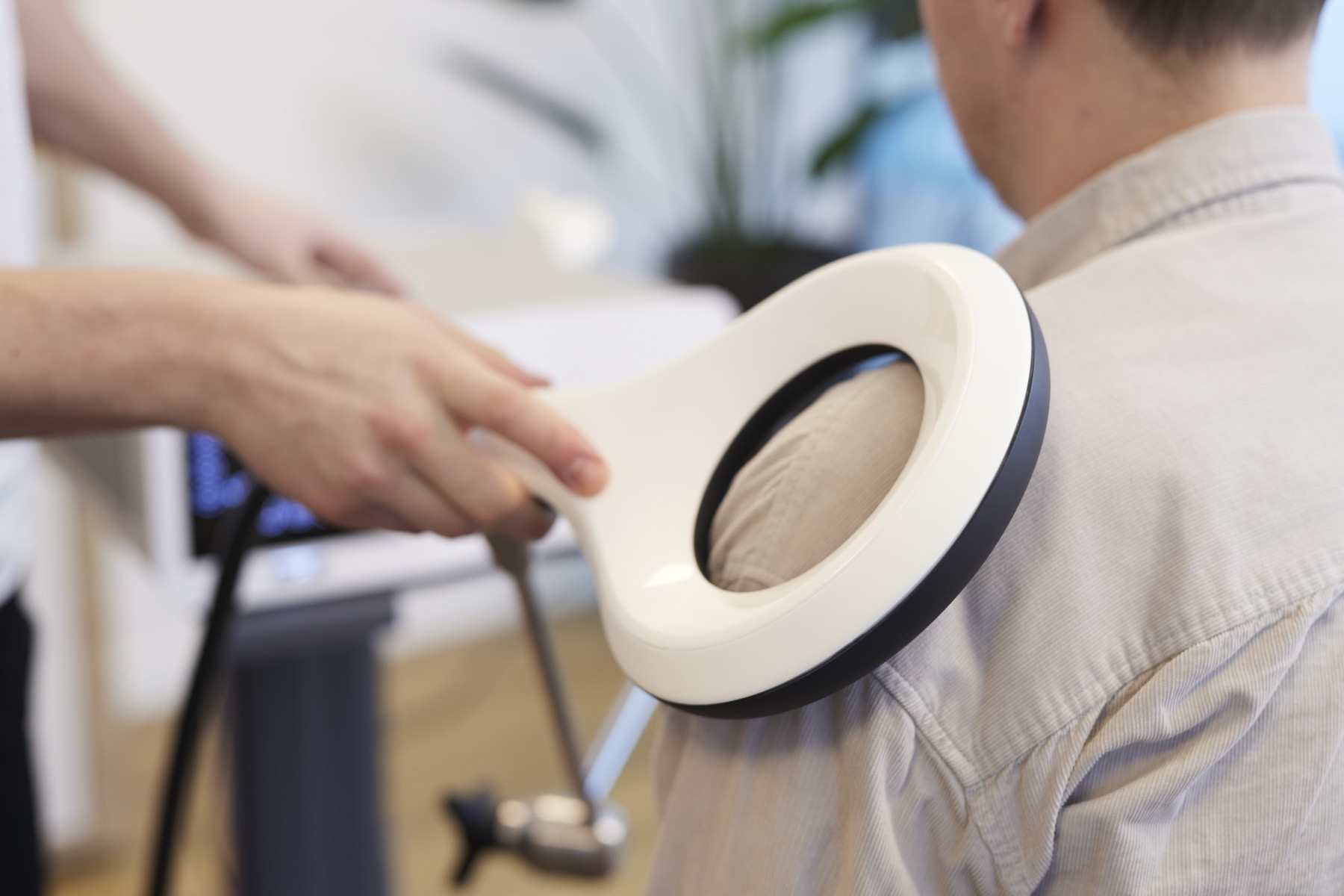
That depends on research, treatment area and device regulations. Comfortable clothing helps, but reports relevant materials, electronics and tools. The operator must determine what can remain during the application. Do not draw a conclusion based on a general promotional photo.
What am I taking to the first date?
A medication review, relevant research reports, data on implants or devices and a brief description of your main restriction. You don't have to compile a comprehensive file; especially information that clarifies diagnosis, safety and previous treatment is useful.
Can I do everything right after?
Ask for advice that fits your symptom and total treatment plan. The absence of obvious pain during a session does not automatically mean that every load is sensible. Review activities on the basis of the agreements on build-up and response.
Sources and evidence
- Manufacturer documentation – technical update implants and EMTT (2021) ↗
Distinction between electronic and passive implants; current device regulations remain guiding.
- Manufacturer documentation – EMTT user manual ↗
Safety screening, contraindications and preparation of the apparatus described; no individual consent.
A personal follow-up step
From insight
to an appropriate plan.
At a paid intake, we'll discuss your symptom and do targeted research. ultrasound is included at no extra cost when it makes sense. Any treatments are agreed separately.
View the initial consultation