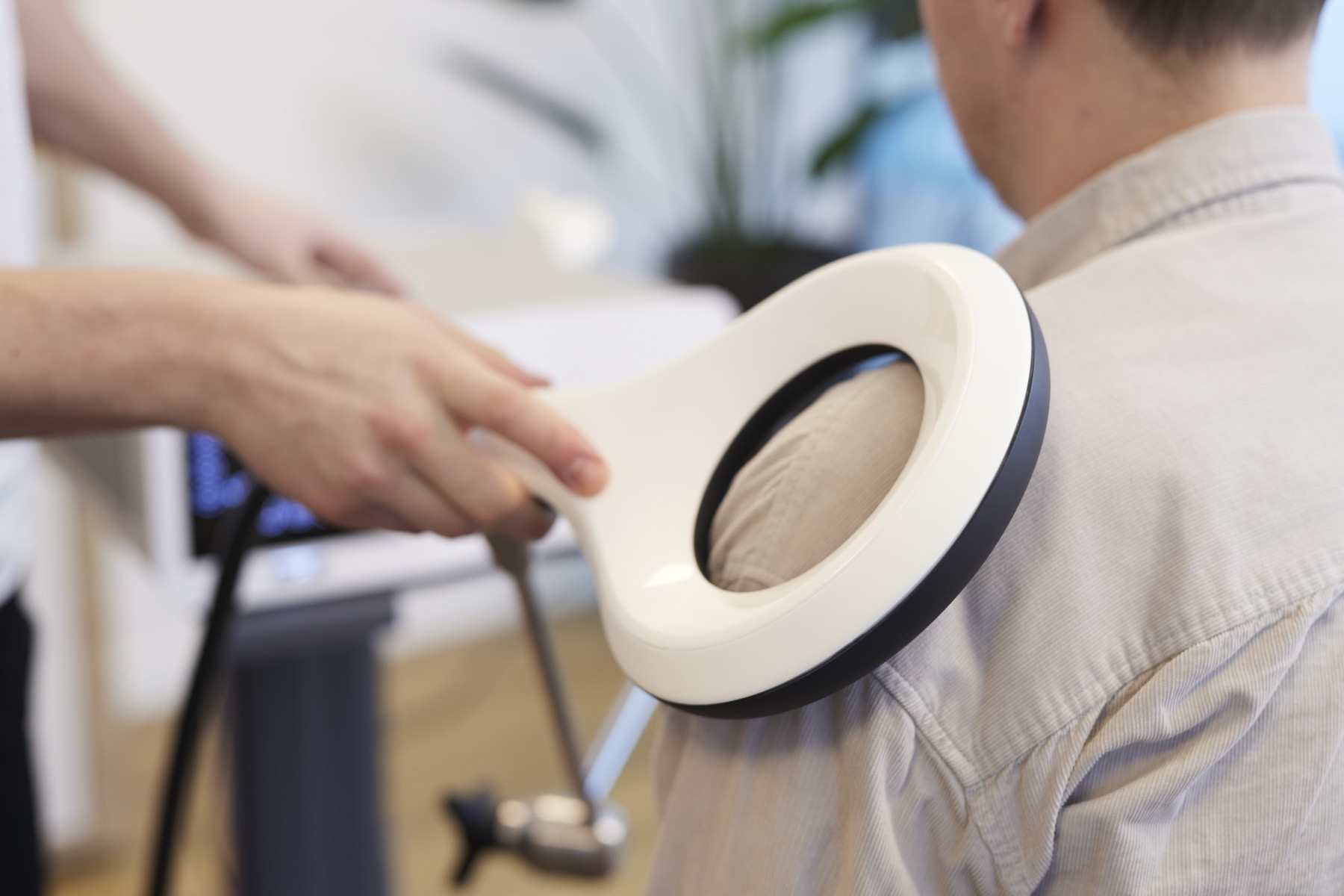
Why an implant can be relevant
An implant can have an electronic function or only provide mechanical support. That difference is important when treating electromagnetic fields. You just can't figure out from the word implant which consideration is needed.
Think about electronic devices not just a pacemaker. There are several systems that give signals, measure or support a function. Tools you wear can also be relevant. Therefore, report them before the device is started.
The controller should determine the information needed to assess the situation. It is not your job to calculate physical risks or decide that the distance from the pain site will be large enough.
Active and passive are different categories
One Technical update of the manufacturer from 2021 distinguishes between active electronic implants and passive implants. In that documentation, sensitive electronic implants remain a contra-indication for the described EMTT device. Passive implants require a different, sometimes conditional assessment.
Therefore, two general statements are inappropriate: with an implant EMTT should never be allowed and metal does not cause any problem. Both leave out information that may be necessary for a safe decision.
Furthermore, the update is not a personal consent and does not replace current user instruction. Devices, versions and conditions may vary. Let the operator identify the documentation which is part of the system actually used.
What data are you taking?
An implant card or surgical report could help. Important information is the name or model, the place in the body and where you can get additional information. If you don't have that information, report it before the appointment.
Use a small overview:
| Data | What can you collect? |
|---|---|
| Type | What name is on the implant card or letter? |
| Location | Where is the implant or device located? |
| Function | Does it have an electronic or ancillary function? |
| Contact | Which doctor or department manages the information? |
| Particularities | Have any restrictions previously been mentioned for research or treatment? |
You don't have to interpret documents yourself. The survey is intended to enable targeted control. In the event of uncertainty, delay may be more sensible than assuming that it is likely to be safe.
MRI information is not a general licence
In implants you will encounter terms such as MR-safe or conditionally suitable for MRI. That information may be part of the assessment, but does not mean that you can derive permission for any other electromagnetic application on your own.
The user manual of the described EMTT device Describes your own security conditions. Precisely because documentation can change, the controller must use the current requirements for the device present.
So tell me what you know about previous scans, but leave the conclusion about EMTT to the responsible health care provider. An MRI went well is relevant background information, not a complete safety assessment for another treatment.
Sensitivity and communication during treatment
In a treatment, you need to be able to tell what you're experiencing. Report unexpected warmth, pain or other sensations immediately. If you feel less good in a body part, tell me in advance. The assessment may therefore change.
That doesn't mean that every sensation is dangerous. It means that the performer must know what is happening and can stop if necessary. A clear agreement on this will give you peace: you do not have to judge for yourself whether a reaction is serious enough to say something.
Ask before the start how to make contact during the treatment and what to report afterwards. For example, the safeguards remain more than a one-off form.
What if treatment cannot be justified can be confirmed?
If implant data is missing or a contra-indication applies, the plan should be adjusted. This may mean that EMTT is not used or that information is first requested. Do not try to disable an electronic tool yourself to allow treatment.
A limitation for EMTT does not automatically say that all guidance falls away. Diagnostics, explanation and another treatment plan may still be possible. The alternatives should be re-evaluated on their own terms.
Specify what information or decision is needed before a follow-up appointment becomes meaningful. This prevents the same ambiguity from coming back on every visit. Security becomes concrete when it is clear who controls what and which outcome leads to which choice.
Frequently asked questions
Can EMTT with a pacemaker?
The manufacturer's documentation cited calls pacemakers and other sensitive electronic implants as a contra-indication for the system described. Always report a pacemaker in advance. Do not initiate treatment based on the assumption that the treatment area is far enough away.
Can EMTT use a hip or knee prosthesis?
A prosthesis is not the same as an electronic implant. Type, material, location and current device requirements determine the assessment. Bring available implant data. This information page cannot confirm that treatment with your specific prosthesis is safe.
What if I don't know what implant I have?
Call that in before the appointment starts. An implant card, operating letter or contact with the responsible department can clarify the data. In the case of missing information, the treatment provider should assess whether any other approach is needed; gambling is not a security check.
Should I remove a pump or sensor myself?
Don't do that on your own initiative. Medical devices can have an important function and have their own instructions. Discuss them with the clinician in advance and, if necessary, with the responsible care provider. Device treatment should not lead to ill thought-out interruption of necessary care.
Sources and evidence
- Manufacturer documentation – technical update implants and EMTT (2021) ↗
Distinction between electronic and passive implants; current device regulations remain guiding.
- Manufacturer documentation – EMTT user manual ↗
Safety screening, contraindications and preparation of the apparatus described; no individual consent.
A personal follow-up step
From insight
to an appropriate plan.
At a paid intake, we'll discuss your symptom and do targeted research. ultrasound is included at no extra cost when it makes sense. Any treatments are agreed separately.
View the initial consultation