Start with the whole day, not on the walk
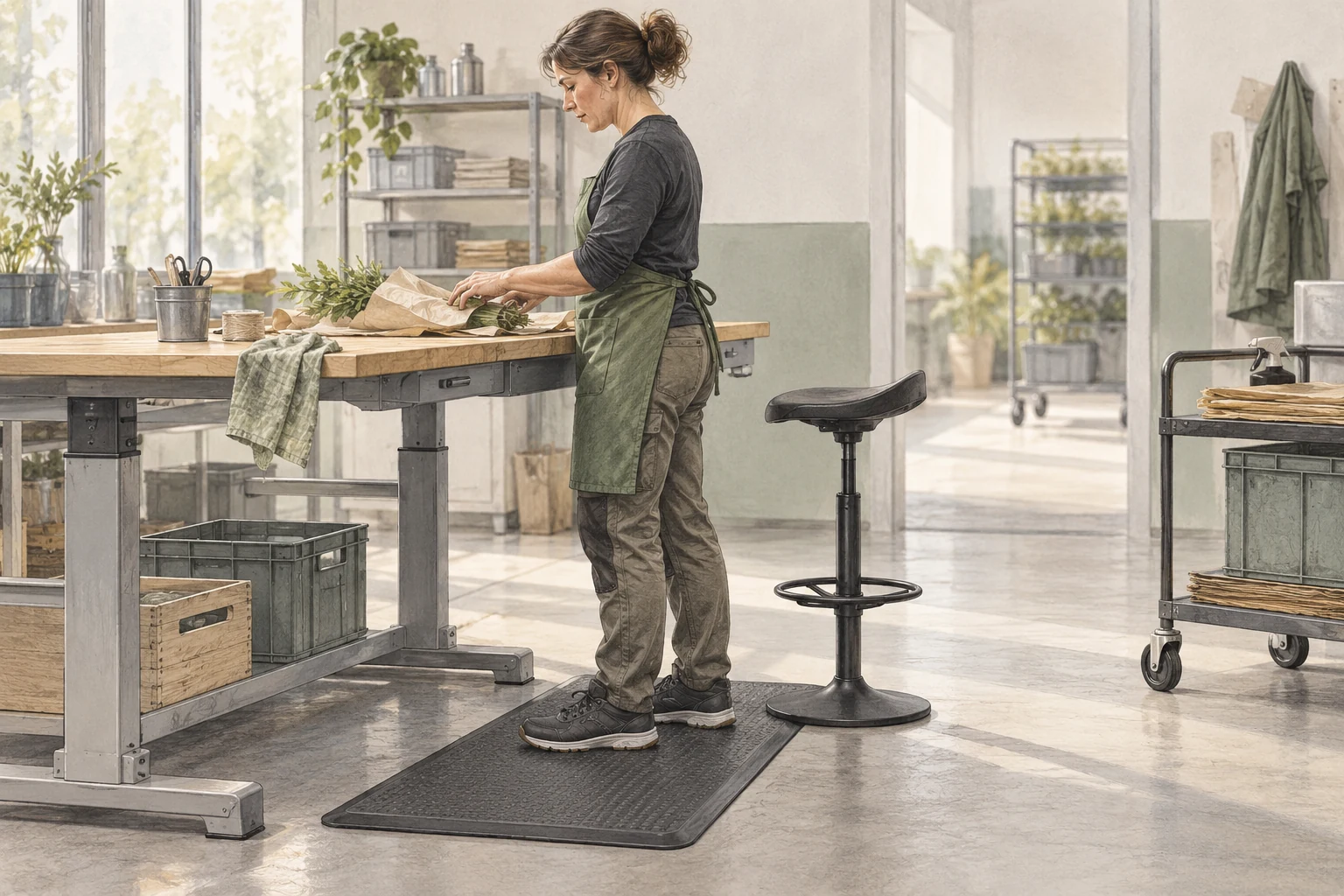
A planned walk is only part of the load on your heel. Walking to the station, an afternoon in the shop, stairs and long cooking together can require more than the round you put in an app. Anyone who reduces only sports kilometers but expands all other tasks may have changed little to the total day.
Therefore, make a simple overview first. Which running moments are necessary, which can you move and which are mainly relaxation? This is not a plea to always remove pleasant activities first. Just a walk with someone else can be important. The overview helps choose where adaptation is feasible without your daily life becoming unnecessarily small.
A useful starting point is repeatable
Your longest possible distance is not automatically a good starting level. Being able to finish a walk while you walk limp and then can do much less, is something other than being able to repeat a distance pleasantly enough. Also look at the reaction after homecoming and at getting up after rest.
The guideline on education and physical load supports a personal reconciliation of activities. The exact limit depends on your situation. There is no universal number of steps with which every painful heel builds safely. Ask for guidance when you go back and forth between overload and complete avoidance or don't know which response is acceptable.
Distance, tempo and terrain change something each
A shorter walk can feel heavier if you are in a hurry, carry a heavy bag or walk up a lot. A new subsurface can also react differently than your usual route. Think of that as separate variables. Combining a higher total day with new shoes and a hilly route makes it difficult to understand a reaction.
| Change | Practical question before building up |
|---|---|
| Longer distance | Can I repeat my current route without any increasing inconvenience? |
| Faster pace | Am I gonna relax or am I gonna settle down? |
| Other areas | Is there a short way back if the reaction fails? |
| More walking days | Where is room for lighter days or other movement? |
Use the table as preparation, not as an independent medical decision schedule. A clinician can help link the choice to your symptom image.
Divide what you want to keep doing
Sometimes sharing is more feasible than deleting everything. For example, a longer message can be split or combined with transport. During a trip you can plan a sitting moment before walking becomes clearly difficult. These are practical ways to change circumstances; there is no guarantee that any adjustment will reduce pain.
A think example: you want to continue walking with a partner, but a long route always gives a strong response. A shorter loop with a bench and the possibility to turn down earlier retains the social moment. It is only when that form proves repeatable that you discuss a next step. The goal is not to complete a schedule at all costs, but to get more freedom of choice.
Follow the response without checking each step
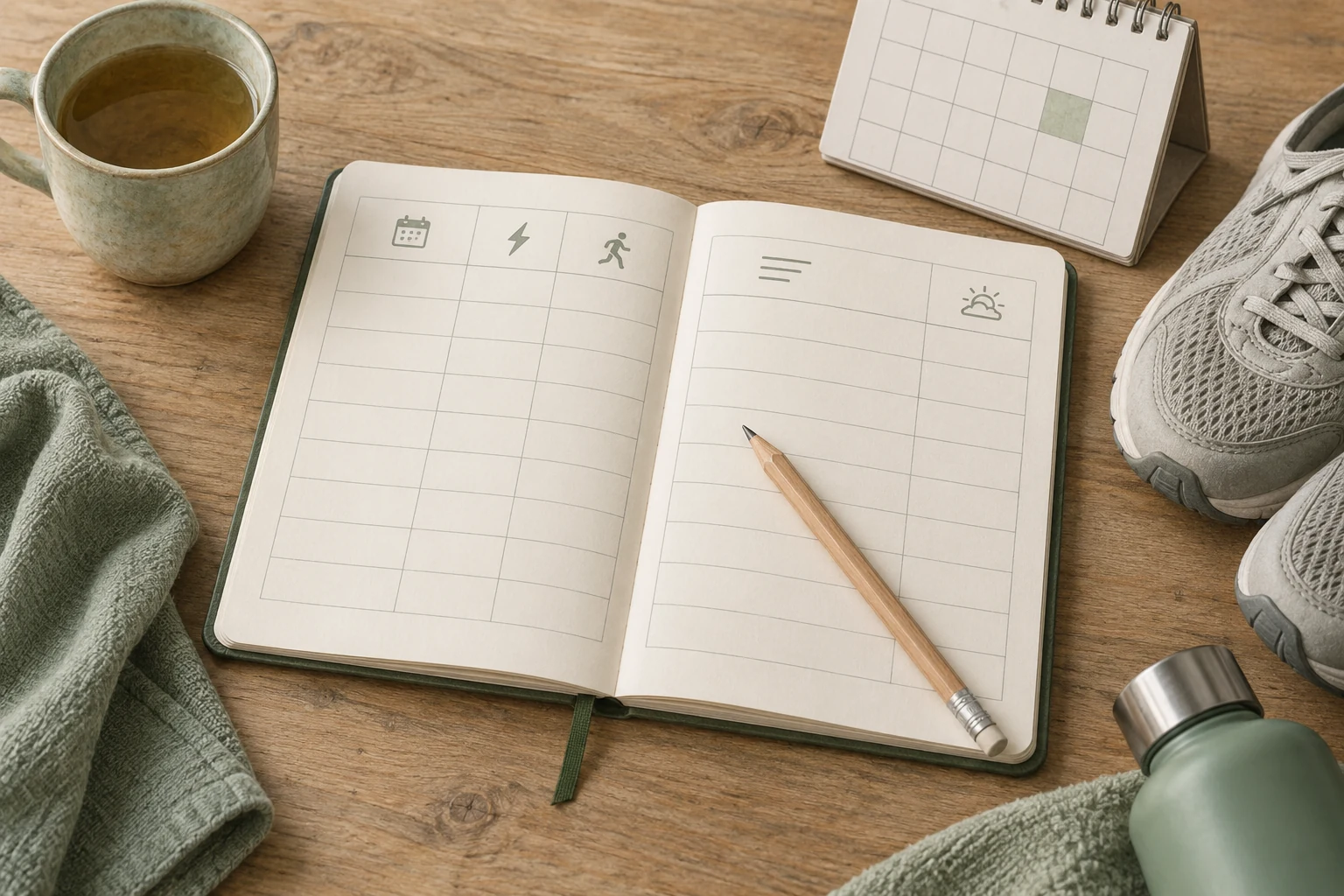
Choose a few permanent observations: how did you walk, how much did you have to adjust and how did the first step after the next rest period go? Please also note what was different that day. A reaction after a party with a lot of standing is part of the interpretation, even if the walk itself was short.
Thuisarts advises helping to keep moving and to keep standing or walking for a long time if this worsens the symptoms. That requires some coordination. Killing everything can be practical and mentally heavy; testing the border every day is not necessary either. Find a workable middle ground with your clinician if you can't find it yourself.
When are you gonna stop building?
Wait to expand when your output level clearly deteriorates, you're starting to relieve more and more or normal daily tasks are less successful. Then check what changed first. Maybe work, groceries, and practice training were stacking up. Maybe the supposed diagnosis doesn't fit well with the symptoms.
An increase after a clear moment of injury, new sensational changes or pain that always stands out at rest is judged. Don't try to solve such signals with a tighter walking schedule. For a follow-up appointment, a concrete goal is useful: for example, to shop independently or to repeat a short walk in the forest. Thus progress is judged by an activity that has meaning for you.
Frequently asked questions
Should I stop as soon as I feel something under my heel?
Not every sensitive moment means you have to stop immediately. The nature of the pain, the way you walk and the course after it count with it. Let personal boundaries coordinate when you doubt and do not force a walk if you clearly have to walk differently.
Is a soft surface always better?
No. A gentle but uneven route can be different from a flat pavement. At first, choose a predictable route that you can shorten. Compare how you react without expecting multiple changes at the same time as improvement.
Can I walk a fixed percentage more every week?
A fixed percentage is not a universal treatment regimen for heel pain. The feasible step depends on your starting level, workload and response. Sometimes the same amount over multiple moments is more useful than increasing the total.
Do steps at work count as training?
At least they count as load, although they're not the same as a scheduled practice session. Take them into the daily schedule and evaluation. A hard working day can be reason to plan the extra walking tour differently.
Sources and evidence
- guideline Fasciopathy plantar — Education (2026) ↗
Personal explanation, load weighting and meaning of image-forming deviations.
- Thuisarts — I have pain under my foot (hilt trail) (2026) ↗
Recognizable symptoms pattern, movement, footwear and reasons for assessment.
A personal follow-up step
From insight
to an appropriate plan.
At a paid intake, we'll discuss your symptom and do targeted research. ultrasound is included at no extra cost when it makes sense. Any treatments are agreed separately.
View the initial consultation