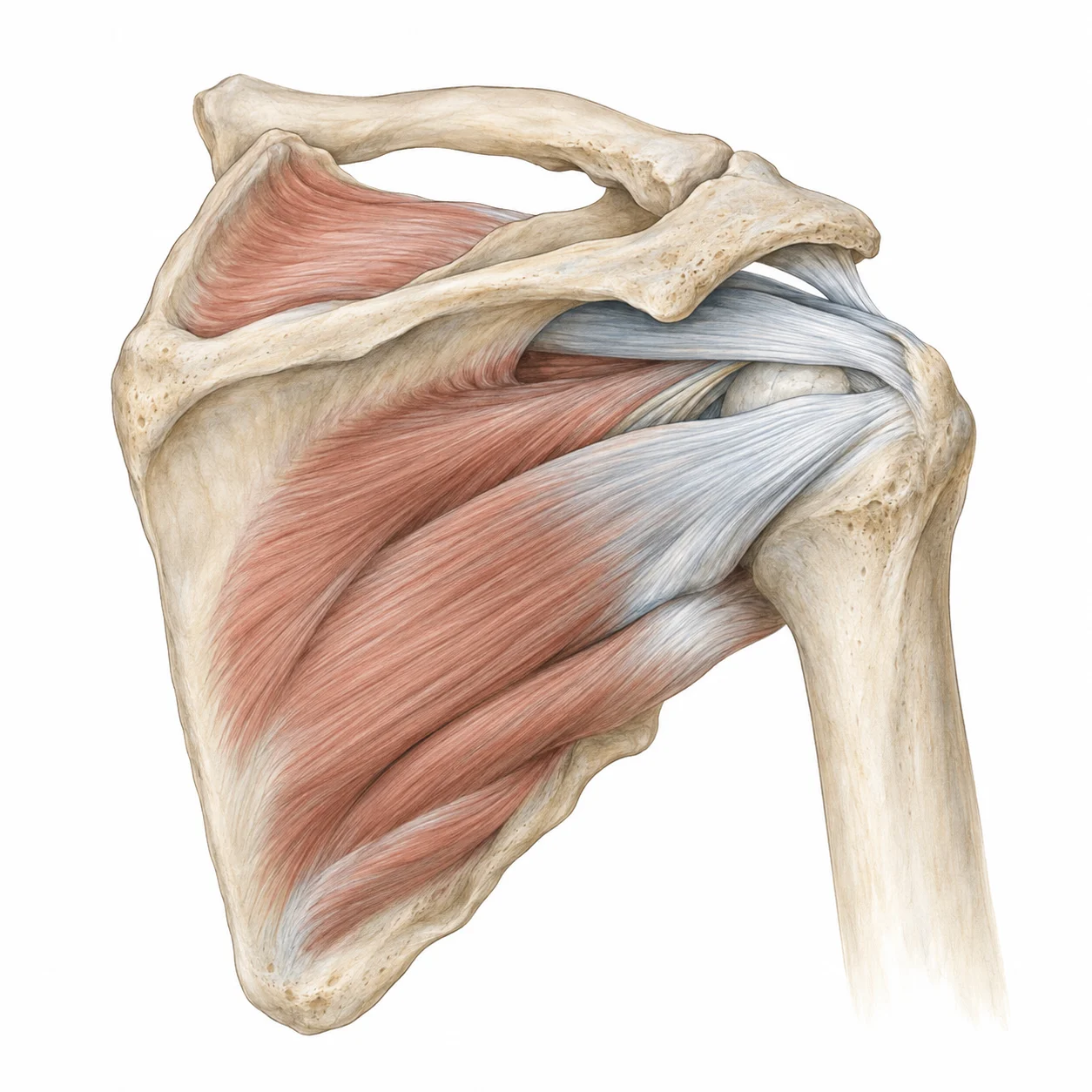
The word tear asks for explanation.
A radiological report can use different terms. In the event of a partial tear, the damage does not pass through the full thickness of the tendon. With a full thickness crack, yes; that does not mean that the entire width of the tendon has been loosened. AAOS OrthoInfo explain these differences.
Therefore, ask which type of tear has been found and which tendon is involved. If necessary, have a drawing used. Only reading the word rupture can unnecessarily evoke the image that your arm no longer has any support.
The size and characteristics of the tear may be relevant, but are not the complete story. Your symptoms, strength, movement possibilities and daily requirements should be sidelined. Treatment advice without that context is difficult to assess.
Sudden onset or gradual detection
A tear that is accompanied by sudden loss of function after a fall or severe moment raises questions other than a finding in long-standing symptoms. The way the symptoms arose must therefore be clearly on the table.
Let a new situation with a lot of pain and a clear loss of strength be assessed in time. Do not perform maximum shoulder tests yourself for weeks or try to help the arm through a heavy training program. Tell me what didn't work out right after the moment.
In the case of a gradually found tear, what is important is what has changed from before. Could you use the arm before the ultrasound? Has there been any pain? What function is now limited? A scan can make a finding visible without telling on what day it occurred.
A finding does not need to explain all the pain
Some rotator cuffs give little or no pain. Both AAOS and Thuisarts describe that a tear on an image does not automatically explain all symptoms.
That is no reason to wave the report away. It is a reason to carefully attach the results to the study. Pain, loss of strength and restriction of movement are different parts and can require any attention.
Ask which finding affects the current opinion most. Is that the recent way of origin, the loss of function, the size or anything else? So you understand why someone with a similar word in the report can still get a different treatment plan. Not only do you compare your situation with an internet story that lacks precise diagnosis.
Treatment without surgery may be a conscious choice
A non-operative plan may be aimed at reducing symptoms and better use of the shoulder. Guided exercises, activity adjustment and pain treatment can play a role in this. That doesn't mean that someone promises that a tear will disappear through exercises on an image.
Ask what goal is realistic: to do a daily task again, to steer the arm better or to resume certain loads. It should also be clear what development is the reason for a new conversation.
You don't have to think of a conservative plan as doing nothing. It demands concrete agreements on use and construction. At the same time, a permanent or increasing limitation should not be answered endlessly with the same exercises. An evaluation should be able to give rise to a further choice.
When an operation is discussed
Whether an operation is appropriate depends on several factors: the type of tear, origin, function, tissue quality, health and what you want to be able to do with your shoulder. The decision requires specialist explanation. Age alone is not a completely personal decision model.
Don't just discuss what's being done during surgery. Ask about the period after: what help is needed at home, what restrictions apply to work and driving, and what does rehabilitation mean? A technically possible repair and a feasible journey for you are two parts of the same choice.
Ask what disadvantages an operation and what disadvantages a non-operative approach may have. The trade-off becomes stronger when both routes are described in concrete terms. Do not let expectations rest solely on the promise that the anatomical problem will be repaired.
Take these questions with you to your conversation
A short checklist helps link the report to your situation:
- What direction is involved and what does it mean in part or in full in my report?
- Does the tear fit the origin and the current power loss?
- What do I want to do with this arm at least again?
- Which treatment options fit and what purpose does each option have?
- What change should I report earlier than the planned check?
- What does the plan mean practically for my work and home situation?
Write down the answers in plain language. You don't have to remember all the medical terms to follow a decision. Ask for an explanation if a word appears to have major consequences.
Shockwave or EMTT should not be proposed as a proven way of restoring a complete cuff tear. Investigating the tendons' symptoms without such a tear does not answer that question. A complete tear should be accompanied by a plan that is explicitly tailored to that diagnosis.
Frequently asked questions
Is a full thickness tear the same as a fully torn tendon?
Not always. Full thickness describes how deep the tear runs through the tendon. The width and degree of detachment may vary. Let the report explain with an image or drawing, so you understand which finding is meant for you.
Can't I work with a tear?
That could happen. A scan doesn't predict in itself how much pain or limitation you have. The research looks at what the shoulder can do and what approach fits your goals. Even if you function reasonably, agreements about change and control are wise.
When do I need to get help faster?
Let new and clear power loss after a fall, jerk or heavy moment assess in good time. List what you couldn't do right after that. An existing diagnosis is not a reason to treat a new incident automatically as normal afterpain.
Can shockwave close a tear in a tendon?
This should not be the subject of a general recovery promise. Research into other tendons' symptoms does not prove that a complete cuff tear is repaired by shockwave. Ask exactly which diagnosis is being treated and what clinical justification the proposed application has.
Sources and evidence
- AAOS OrthoInfo: Rotator Cuff Tears ↗
Different types of tears, symptoms, origin and individual treatment weighing.
- Thuisarts: shoulder problems for months (2024) ↗
ultrasound findings do not automatically explain pain and the role of functional practice.
A personal follow-up step
From insight
to an appropriate plan.
At a paid intake, we'll discuss your symptom and do targeted research. ultrasound is included at no extra cost when it makes sense. Any treatments are agreed separately.
View the initial consultation