The intake charts the problem
During intake, it's more than just the place where you feel pain. When did it start, what changed into work or sport and what didn't work out so well? The answers help to put the symptom in context. Previous treatments, medication and relevant medical information are also included.
A useful preparation is a short timeline. Note the start of the symptoms, important changes and what you tried afterwards. Put in what did help and what didn't make a difference. This avoids multiple attempts later all being summarized as physical therapy did not help.
Shockwave Clinics paid for the intake. Ultrasound is free when it is clinically meaningful. That means that the question that an ultrasound has to answer should be clear in advance. The intake remains a paid appointment, even if an ultrasound is not necessary.
A target indicates the treatment direction
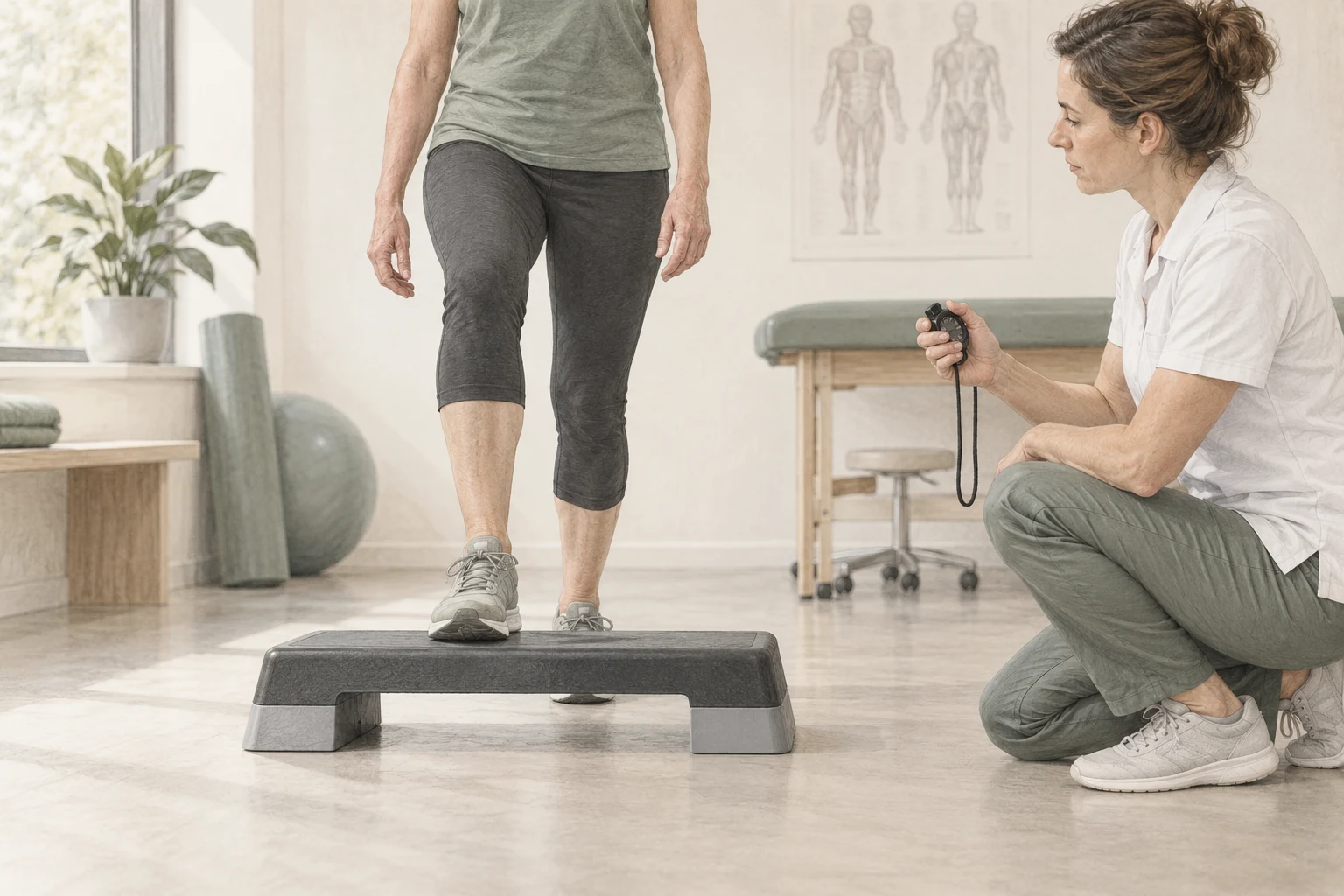
Pain reduction is an understandable goal, but often too general to steer a whole trajectory. In addition, name what you want to be able to do in daily life. Think of a walk without extra breaks or performing a recurring work task.
Make the target measurable without making it a rigorous exam. 30 minutes walking on my usual route is clearer than walking normal again. The agreed goal can be adjusted during the course if your priorities or possibilities change.
The baseline should be known before treatment starts. Otherwise, it's gonna be hard to judge difference later. For example, record duration, difficulty and response after the activity, instead of just a pain score during the intake.
- Map the symptom
Discuss the origins, previous treatment and what you do less well daily.
- Choose a recognizable target
Capture what activity you want to improve and how it goes now.
- Follow a suitable plan
Only with an appropriate indication does shockwave get a place, in addition to arrangements about exercises and loads.
- Evaluate and decide
Compare functioning, benefits and disadvantages. Discuss completion, customization or re-examination.
The proposal also describes the other elements
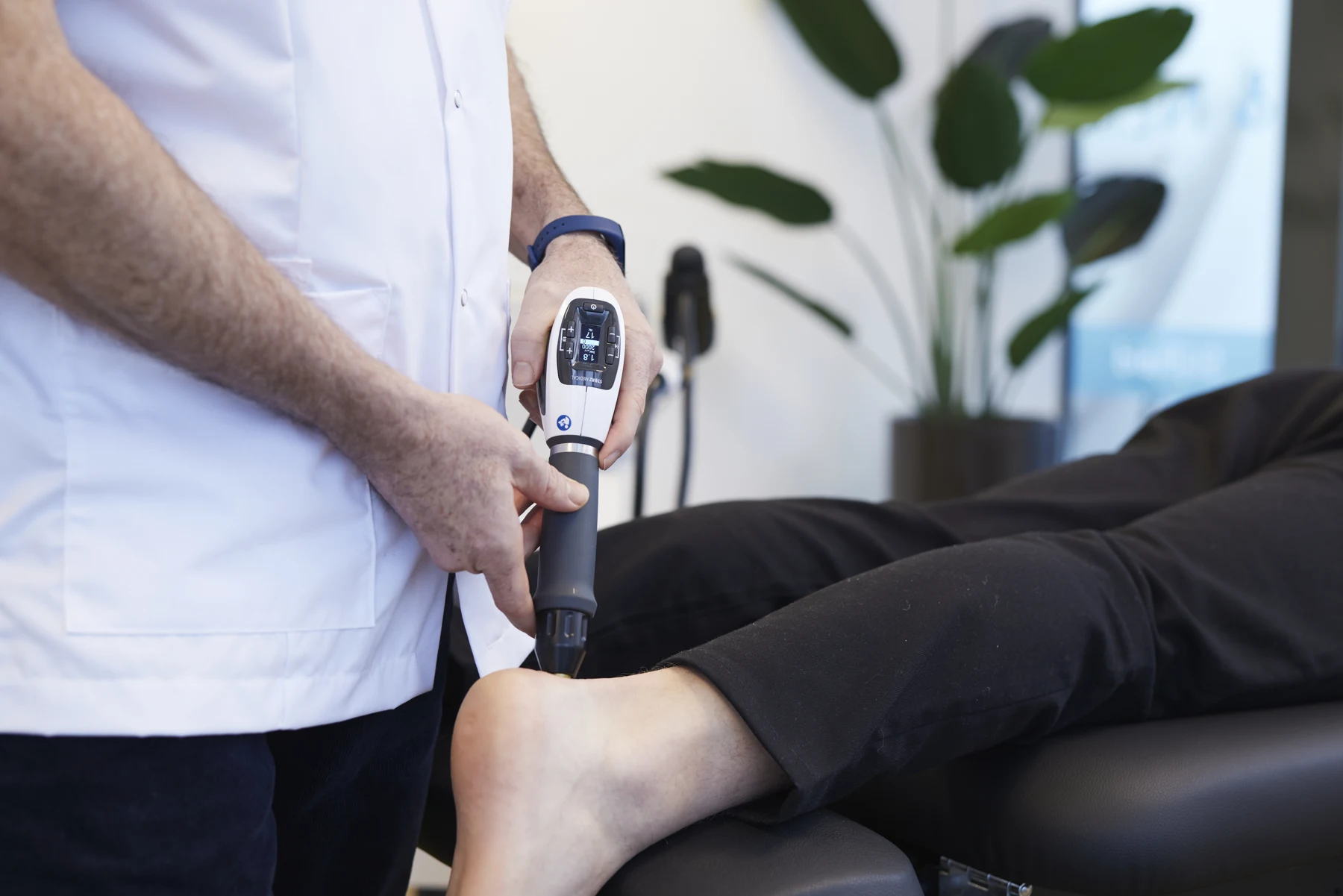
A treatment proposal should mention why shockwave is considered, which technique fits and what you keep doing next. At Achilles tendon symptoms, explanations, load advice and constructive exercises form the basis of the Netherlands guideline. An additional technique is given a place within such an approach.
That has practical consequences. If you get exercises with another clinician, you want to know if the advice fits. Two separate programs together can give more load than anyone intended. Alignment can make the plan easier.
Ask what changes the proposal to your regular week. Should a sports training temporarily change, work hours remain the same and how do you build up? Clarity about this makes the treatment more feasible.
The sequence is limited and is followed
There is no universal number of shockwave sessions for all tendons. A guideline may describe a limited range in the case of one condition. The guideline for fasciopathy plantar from 2026 lists, for example, up to three sessions to consider within the approach described.
A pre-arranged series provides a framework, but the response remains relevant. In case of unexpected symptoms, the next appointment does not have to go through automatically. On the other hand, a pleasant response after one session is not a reason to consider the whole recovery as complete.
After each appointment, record only the relevant information. How do you tolerate the treatment, succeed the plan at home and change the chosen activity? A comprehensive daily report is usually not necessary to have a useful conversation.
Opinions shall not be unanimous: Thuisarts doesn't recommend shockwave with long heel spur. Discuss this difference with your clinician; an additional option is not a self-evident standard treatment.
The evaluation is a substantive decision
When evaluating, compare the original situation with the current functioning. It is possible that the pain score hardly changed, while you can do more. Also the opposite can be done: less pain because you are much less active. Both situations require a different explanation.
Ask for three parts: benefit, load and next step. The advantage is about your goals; the burden on time, costs and possible side effects. The next step must be in line with the relationship between those two.
If the effect is limited, it may be wise to review the diagnosis or active approach. A trajectory has not failed because an additional technique is stopped. The objective remains a more appropriate recovery plan.
Keep the overview on one page
A simple route overview may contain these components:
- Working diagnosis and remaining uncertainty.
- One or two activities you want to improve.
- Proposed treatment and reason for that choice.
- Appointments about exercises, work and sports.
- Moment of evaluation and criteria for adjustment or discontinuation.
- Costs and contact route in case of unexpected reactions.
Keep this list with your practice plan. During a follow-up appointment you can quickly indicate what is still clear and where you are stuck. It also prevents the agenda with treatments from getting more attention than the purpose for which you started.
A clear trajectory makes room for recovery without promising an end date. You know what happens now, why that happens, and how the next decision is made.
Frequently asked questions
Do I always get shockwave after intake?
No. The intake must first make it clear whether it is an appropriate option. Any other advice should be consistent with the diagnosis or previous treatment. The purpose of the investigation is precisely to support that choice, not to justify a pre-established treatment.
Is ultrasound part of every intake?
Ultrasound is free of charge at the paid intake when it is clinically meaningful. That doesn't mean everyone gets an ultrasound automatically. The dealer should explain the question of imagery and how the outcome affects the follow-up.
When will I know if the treatment will help?
That is agreed on the basis of the symptom and the treatment plan. A direct reaction is not the same as a lasting result. Therefore, follow a recognizable activity over time and discuss both pain, functioning and response to load.
Can I continue to visit my own physical therapist?
That can be a logical combination when the roles are clear. Discuss who manages the exercise plan, how load is aligned and what information is shared. Cooperation should make the journey easier to understand and prevent you from getting conflicting assignments.
Sources and evidence
- guideline Achilles tendinopathy – Conservative treatment options (2020) ↗
Education, stress and exercises as a basis; consideration of additional treatments.
- guideline Fasciopathy plantar – shockwave therapy (2026) ↗
Place of ESWT after education and practice therapy; effects, evaluation and adverse reactions in fasciopathy plantar.
- Thuisarts – long-term heel track and treatment selection (2026) ↗
Patient advice in sustained heel pain; negative advice on shockwave differs from the specialist guidance.
A personal follow-up step
From insight
to an appropriate plan.
At a paid intake, we'll discuss your symptom and do targeted research. ultrasound is included at no extra cost when it makes sense. Any treatments are agreed separately.
View the initial consultation