Why do you feel the elbow when you use your hand?
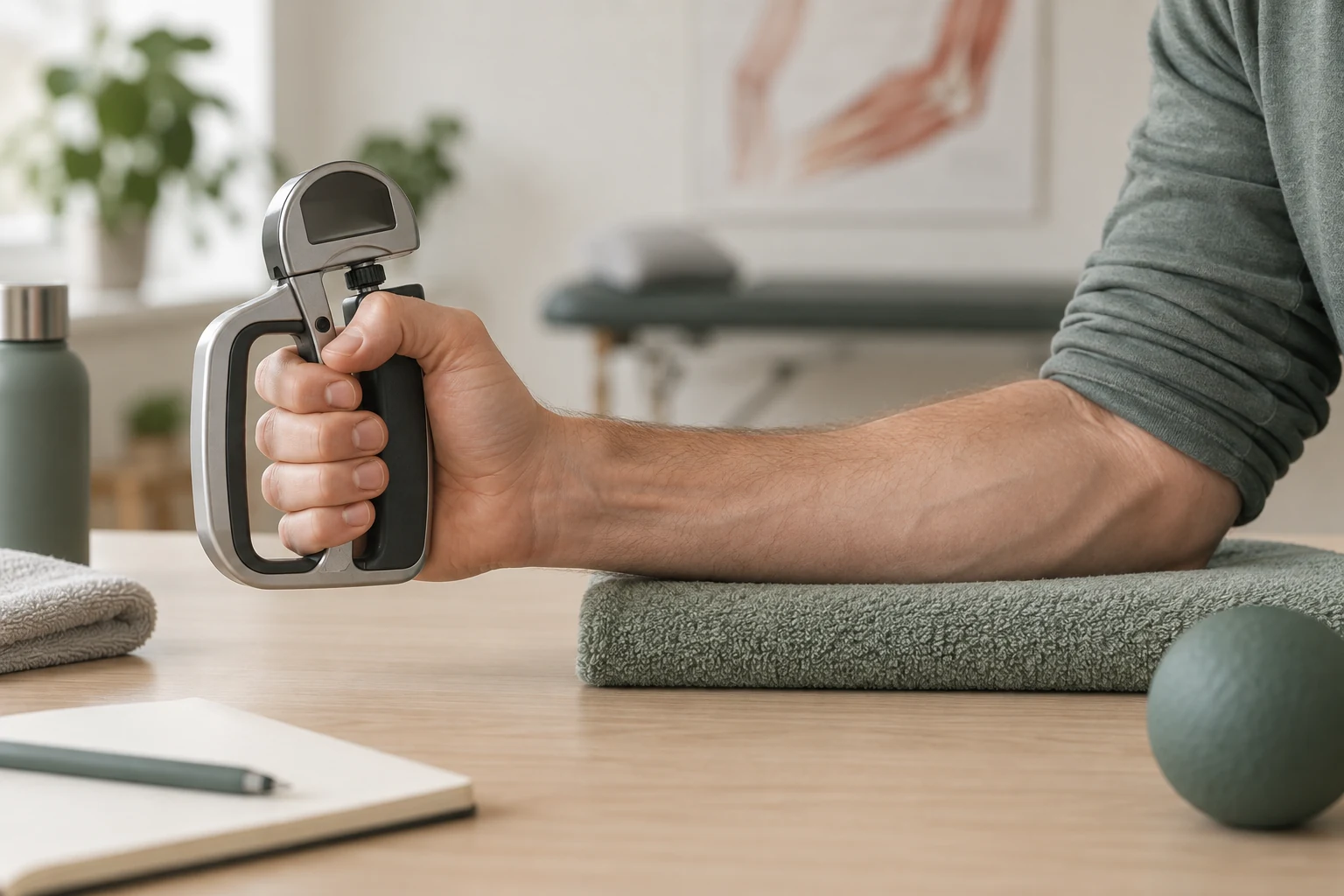
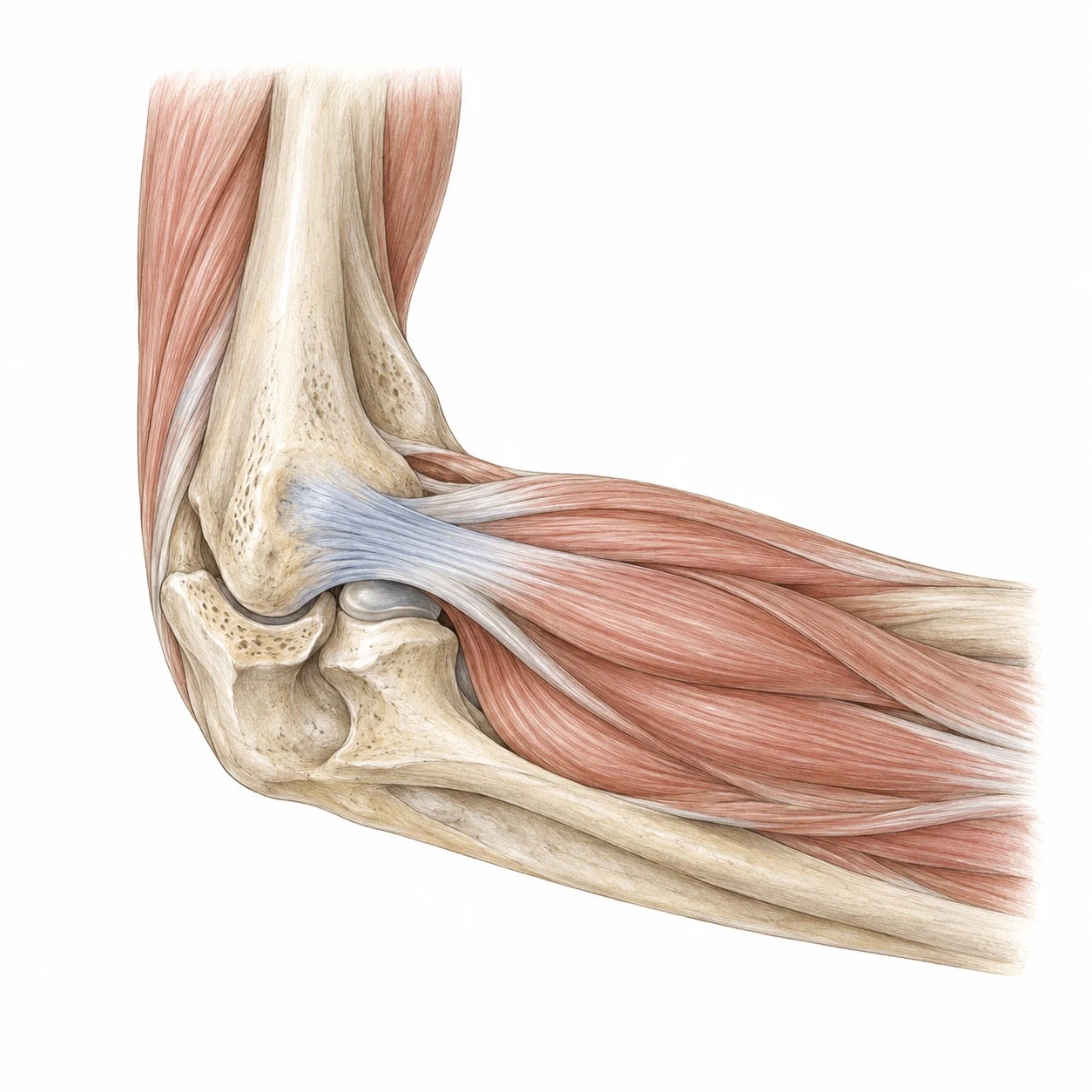
On the outside of the elbow, muscles from the forearm attach. Those muscles help, among other things, to move and stabilize the wrist. This allows you to feel pain around the elbow when you grab or lift, even though the hand seems to do the job.
Thuisarts describes pain when making a fist, the wrist moving backwards and the fingers stretching as recognizable symptoms. The name tennis arm doesn't mean that tennis should be the cause. Using tools, cleaning and repeated lifting can also be part of the story.
The exact origins are not always clear. A recognizable load pattern helps with the conversation, but does not prove that you have done one movement wrong or that one busy day explains everything.
What is needed to assess the symptom?
A conversation and physical examination are often sufficient to make a tennis elbow plausible. According to Thuisarts, a photo or scan is usually not necessary. In case of doubt, an abnormal pattern or other symptoms, research can be given a different purpose.
Describe where the pain is and what task it occurs. Also report stiffness, tingling, swelling or an incident. Pain on the inside of the elbow fits a different question than the classic outside pain. Tingling or loss of feeling may also cause a nerve to be examined.
Always press hard on the painful spot to check if the symptom is still there. That doesn't tell you much about what you can do during a normal day. A recognizable task is often a more useful point of reference.
Expectations without having to sit still
The NHG Explanatory notes to the revised standard stresses the good chance of spontaneous recovery. For many people, explanations, appropriate reduction of activity and pain treatment are sufficient when needed. This does not mean that the journey is as fast or as easy for everyone.
Waiting for advice is another thing than doing nothing. You can actively look at how work and daily tasks remain feasible. Discuss which load should temporarily be reduced and which movements can be retained.
A long duration does not automatically prove that the tendon is severely damaged. At the same time, persistent restrictions should be taken seriously. Ask when you come back as working or don't improve ordinary actions, so it may take a long time no reason to go on without a plan.
Make grabs and lift less clumsy
First look at the action that disturbs the most. Is the weight difficult, the duration of holding or the position of the arm? You can carefully compare practical variants: hold an object with two hands, distribute a larger load or alternate a task with something else.
These are opportunities to discuss and try, not universal ergonomic solutions. A more pleasant performance of one task does not mean that all load can be increased all at once.
Example: wearing a shopping crate is difficult, but moving the content across smaller parts is feasible. The goal is not to avoid every action all day. You're looking for a way in which necessary tasks provoke fewer symptoms while you continue to use the arm.
What treatments have a place?
Additional care must have a clear purpose. NHG describes limited added value of some additional options and selective reasons for injection or exercise guidance. The evidence does not justify a promise that a treatment will quickly make every tennis elbow disappear.
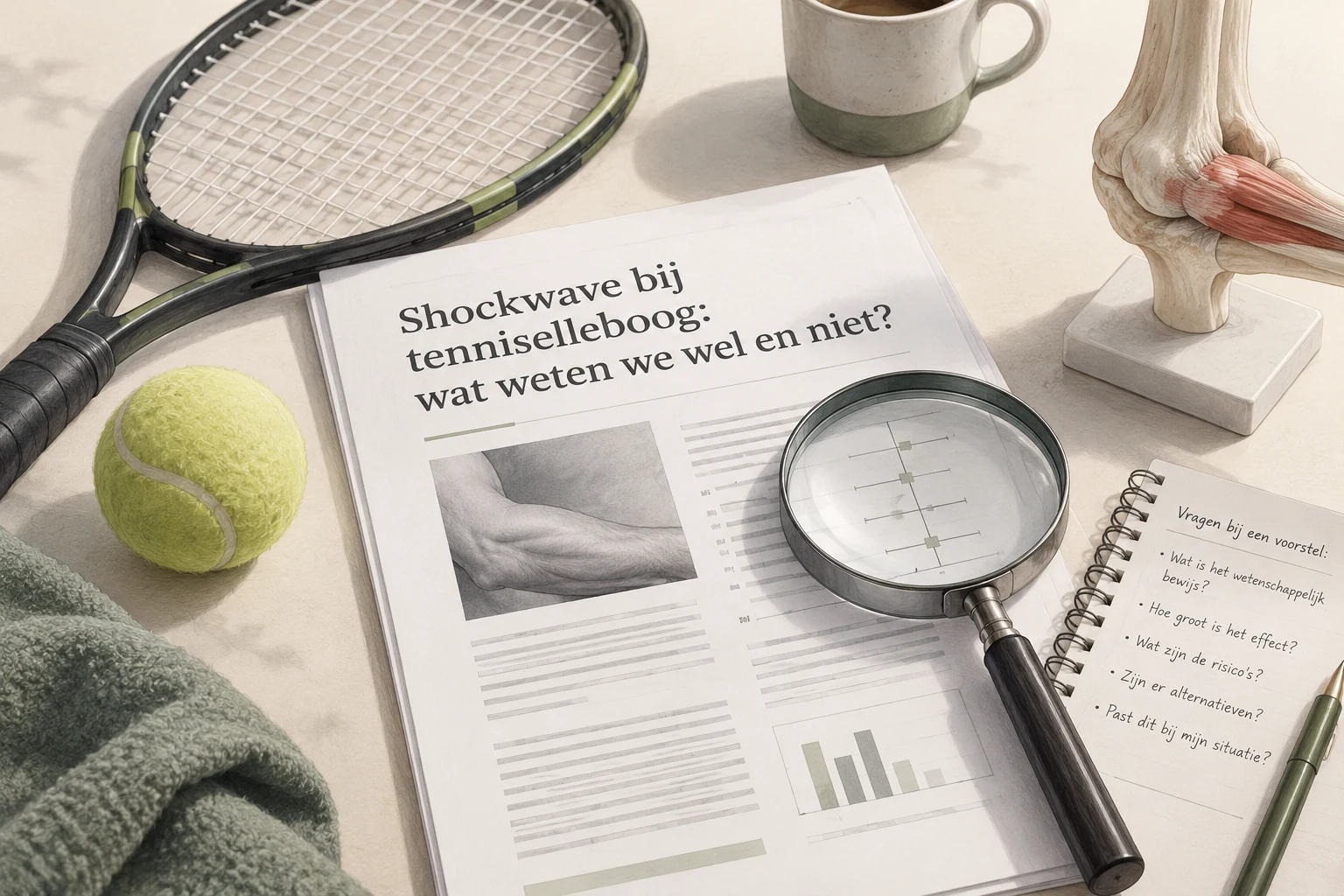
The guideline does not recommend brace treatment and referral for shockwave therapy. That's important when you read on a website about shockwave. A painful place on the elbow is not an automatic reason to start a shockwave package.
A physiotherapist can help organise activities in certain situations, for example when you hardly dare to use the arm or work and sports remain difficult to implement. Then ask what function the guidance has and how it is assessed whether it adds enough.
Your own task overview as a call help
Write down three actions instead of a long list of pain rates.
| Task | What makes the job difficult? | What can you discuss? |
|---|---|---|
| Carry | Hold weight or long | Divide or two hands |
| Tools | Repetition, force or vibration | Variation and tool |
| Sports | Number of actions or intensity | Temporarily adjusted participation |
Fill in real tasks from your life. Please indicate what has already been tried and what proved to be feasible. Failed adjustments are also useful information: they show where advice doesn't fit your situation.
Let's re-assess if your elbow becomes clearly red or thick, doesn't stretch well or your function keeps decreasing. Also discuss tingling and power loss. In this way, the plan continues to fit the symptom image rather than sticking to a single label.
Frequently asked questions
Do you only get a tennis elbow through tennis?
No. The name describes a symptom pattern on the outside of the elbow. Also, people who don't hold a racket can get hurt. Work and daily activities are included in the assessment, but the exact cause is not always to be determined.
Should I let my arm rest completely?
Just keep moving with adaptation of heavy or long-term activities is usually the starting point. Keeping completely still can further limit your daily functioning. Discuss what tasks remain feasible and when a response is a reason to adjust.
Does shockwave help against a tennis elbow?
The Dutch GPs guideline does not recommend reference for shockwave in epicondylitis. Insecure operation and limited added value weigh with it. It is therefore not careful to present each tennis elbow as a standard indication or to promise a fixed recovery result.
When do I make another appointment?
When work and ordinary activities become increasingly difficult, you keep on having a lot of pain or you barely use the arm out of fear. Also new swelling, redness, a clear stretch limitation or sensational changes deserve attention because they do not naturally fit a normal tennis arm.
Sources and evidence
- Thuisarts: I have a tennis arm (2025) ↗
symptoms, diagnostics, daily advice, course and signs for re-evaluation.
- NHG: revised standard Epicondylitis ↗
Expectative policy and not recommend brace treatment and referral for shockwave.
A personal follow-up step
From insight
to an appropriate plan.
At a paid intake, we'll discuss your symptom and do targeted research. ultrasound is included at no extra cost when it makes sense. Any treatments are agreed separately.
View the initial consultation