Why the name pressure waves matter
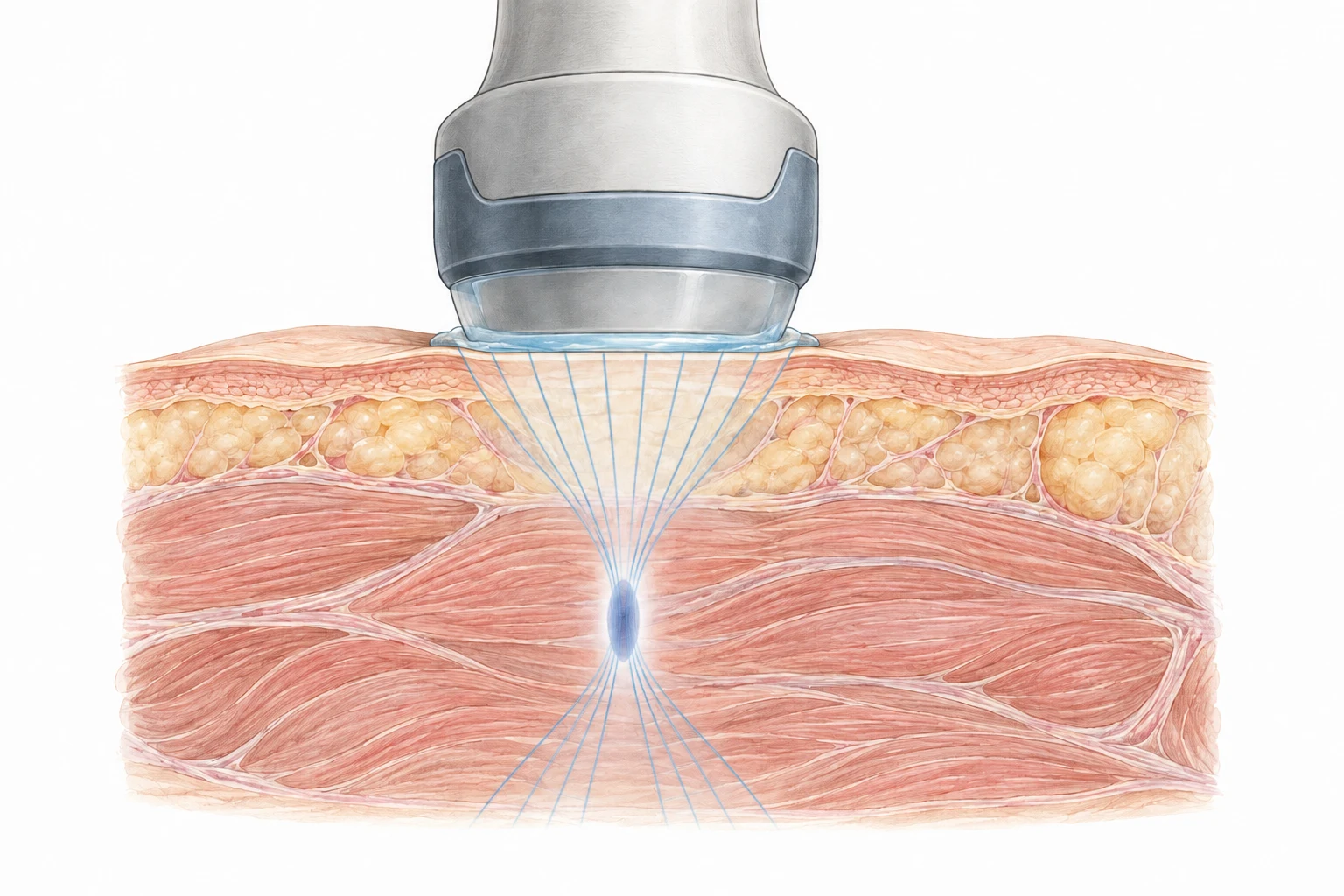
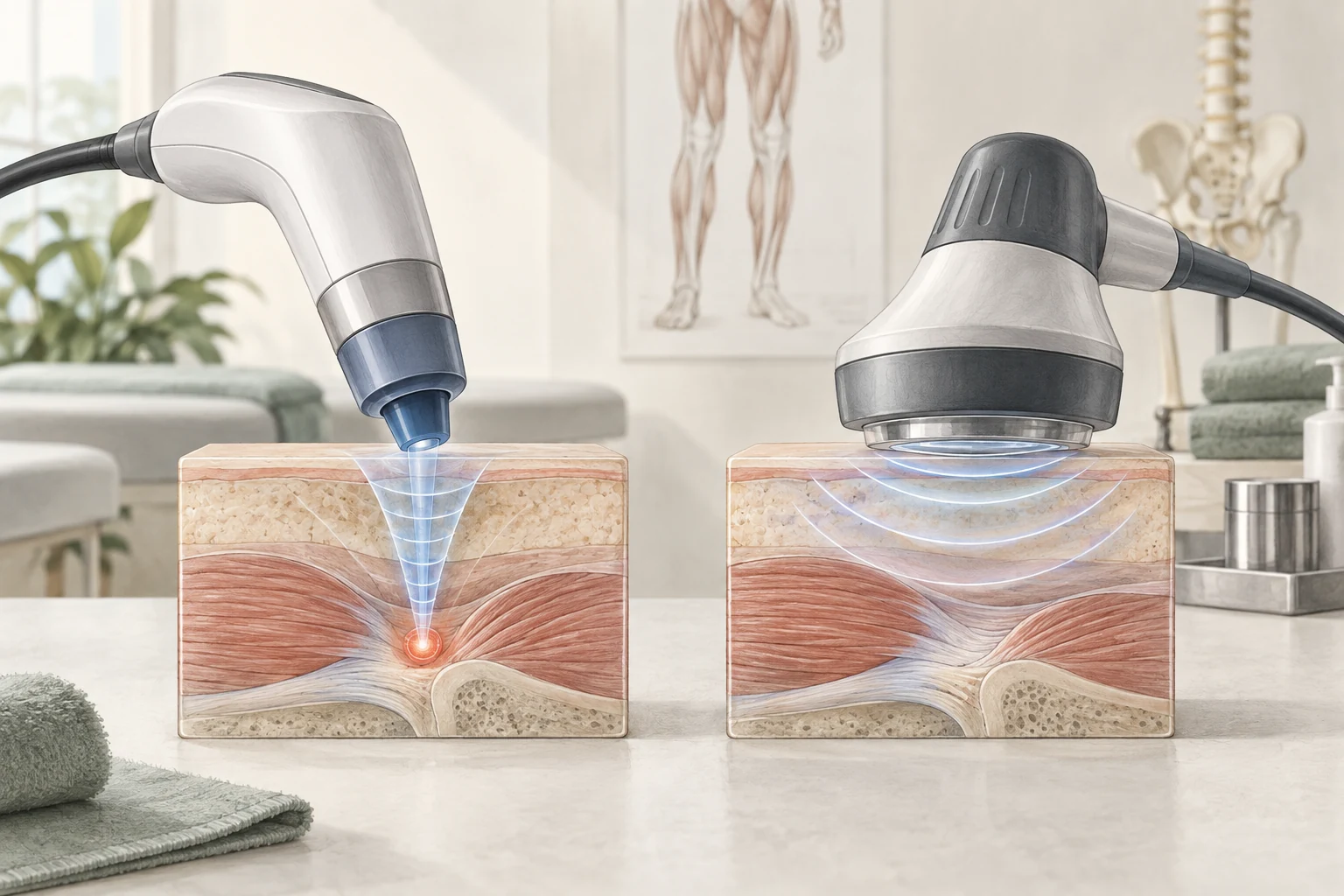
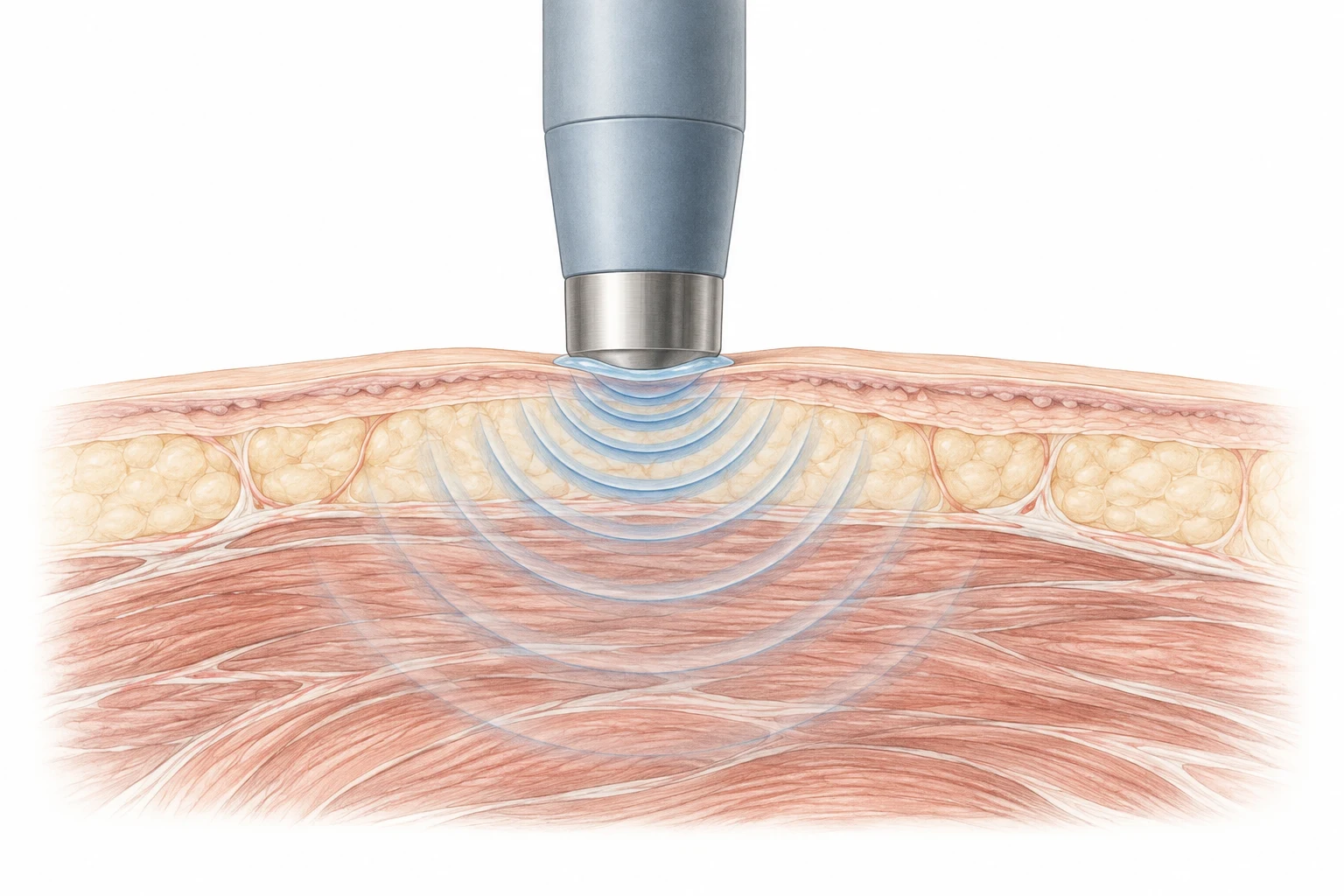
In a conversation, one collective name is often used for different devices. The ISMST distinguishes between focused shock waves and radial pressure waves. In the case of radial systems, pulses are generated and distributed differently. That difference is useful when comparing information from websites or surveys.
It doesn't mean you have to know all the technical details before you can agree. You have to be able to figure out what treatment is being proposed. If a website mentions results from a study, a reasonable follow-up question is whether the same type of application has been investigated.
Moreover, a change of name does not change clinical responsibility. A relatively simple application also requires a sufficiently clear diagnosis, security check and explanation of the expected response.
What do you experience during the application?
The applicator makes contact with the treatment area and gives successive pulses. That can feel like quick tapping or pressure. Depending on the sensitivity of the site, the pulses may be unpleasant. The clinician should follow your response and explain what is being adjusted.
A sensitive area doesn't need to be treated as hard as possible. The amount of pain during a session does not directly tell how much recovery will occur later. Also report when it becomes difficult to lie down or sit down, because that information is part of the execution.
In advance, it is useful to discuss how to assess the hours and days after an appointment. You want to know what temporary sensitivity may fit the treatment and when another reaction is reason to contact.
What can radial treatment be discussed for?
The choice is made per condition. That is what the Commission calls for. Dutch guideline for fasciopathy plantar radial and focused shockwave as a possible addition after insufficient effect of an appropriate first approach. That says something about that particular condition and the conditions under which treatment is being considered.
It is not evidence that all pain under one foot must be treated in the same way. Also, it does not mean that results at the heel apply to a shoulder, elbow or muscle. The location of the symptom is the start of a research question, not a complete indication.
For long-term symptoms, therefore, it is valuable to describe the previous treatment accurately. How long have you been practicing, with what guidance and what change in daily load? That information can explain why an additional technique is or is not yet available.
Opinions shall not be unanimous: Thuisarts doesn't recommend shockwave with long heel spur. Discuss this difference with your clinician; an additional option is not a self-evident standard treatment.
Radial and focused comparison without ranking
The difference between the two techniques is not a simple classification in base and premium. A wider contact area may be relevant in one situation, while a targeted target area plays a role in another situation. The availability of a device must not replace the diagnosis.
A careful comparison combines three parts: what is probably the cause, what application fits and what supports the research? Only the word deep or superficial answers these questions insufficiently. Tolerability and practical feasibility also count.
In two different proposals, ask why the operator makes a different choice. Sometimes the proposals are actually about another diagnosis or another stage of recovery. Then it is first necessary to make that difference before comparing techniques or prices.
Make the result visible in your own week
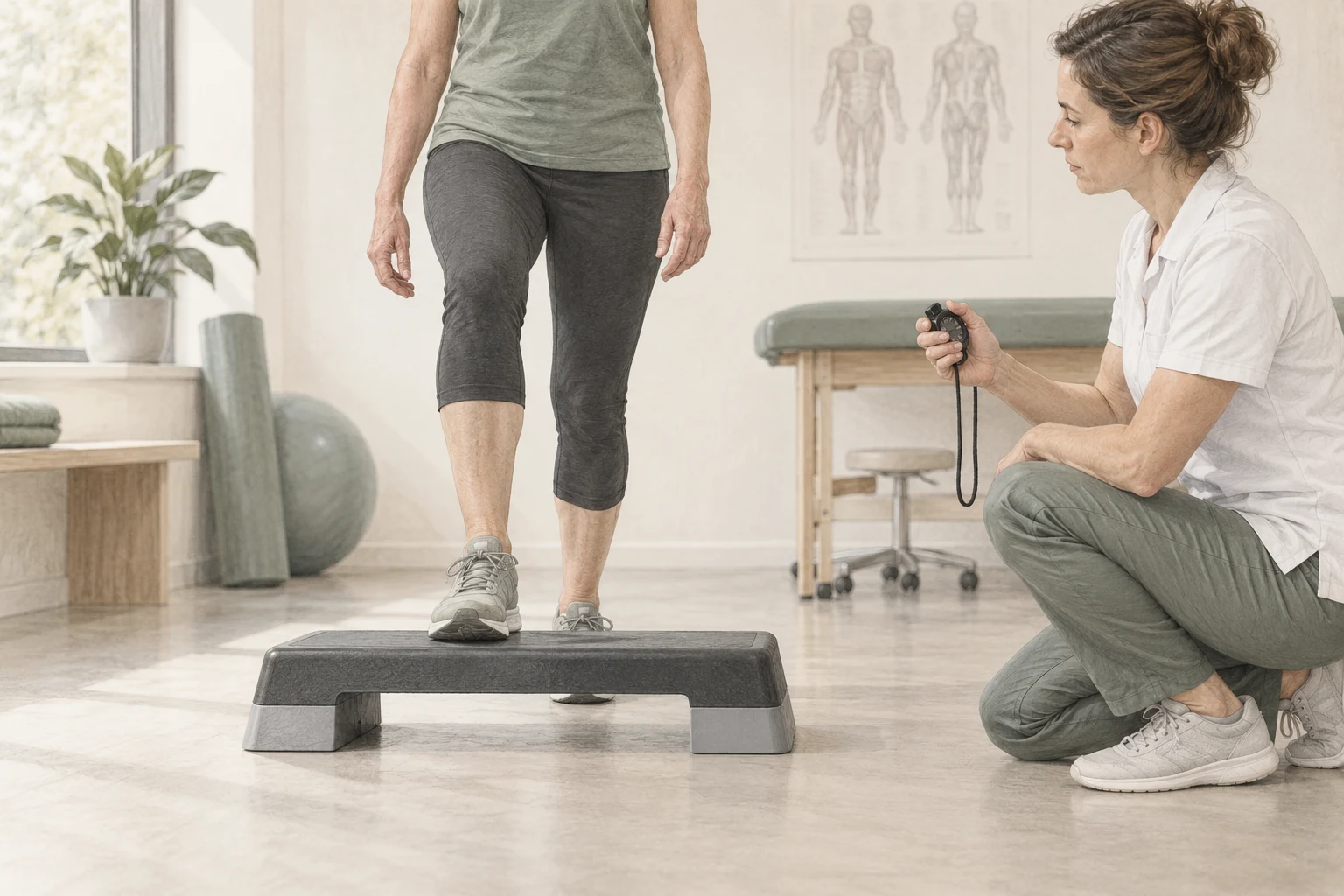
Choose one activity that you can track without constantly testing. In case of foot symptoms, that could be a usual walk. In the case of another symptom, a working act may have more meaning. Write down what you're doing, how much that bothers you and how you react later.
Always use about the same conditions. A hike with many hills is not very similar to a short flat route. If you change the activity, write that down. Otherwise, a difference in load may be mistakenly seen as a treatment result.
A simple rule for your notes is: activity, reaction, next day. That gives more information than collecting loose pain rates every day without knowing what you've done. The goal is a recognizable trend, not a perfect measurement experiment.
What appointments are part of a treatment series?
Ask for a proposal that goes beyond the number of sessions. There are agreements about exercises, daily load, evaluation and costs. When another person supervises the active construction, coordination is useful.
Also record what happens if treatment doesn't help enough. More sessions cannot be justified by the argument that recovery takes time. Giving time and continuing to expand a series are different decisions. You can keep practicing while you stop using an additional technique.
A useful evaluation interview looks at the original goals. Can you do more, take the same activity less effort and remain acceptable? If the answers do not become more favourable, it makes sense to re-evaluate them. The result does not need to be explained in the direction of the technique chosen.
Frequently asked questions
Is radial shockwave a massage?
No. The application consists of repeated mechanical pulses from a device. It may feel superficial, but that doesn't equal massage. Ask about the purpose of the treatment and how it fits the diagnosis and active guidance.
Is Radial only suitable for superficial symptoms?
The properties of the technique make the treatment area relevant, but such a general rule is too simple. A choice requires assessment of the specific structure and justification. Calling a symptom superficial in itself is not a sufficient reason to start radial treatment.
Can radically be combined with focused shockwave?
That could be a treatment proposal. The combination does require its own explanation: what purpose does each application have and what is the added value? Two techniques in one appointment are not automatically more effective than one carefully chosen treatment.
How many treatments are needed?
That varies from diagnosis to reaction. For fasciopathy plantar the Dutch guideline mentions a limited range. You can't take that number for all the diseases. Arrange an evaluation moment in advance and leave additional sessions supporting content.
Sources and evidence
- ISMST – Recommendations and definitions ↗
Technical differences, clinical selection and safety balances in shockwave.
- guideline Fasciopathy plantar – shockwave therapy (2026) ↗
Place of ESWT after education and practice therapy; effects, evaluation and adverse reactions in fasciopathy plantar.
- Thuisarts – long-term heel track and treatment selection (2026) ↗
Patient advice in sustained heel pain; negative advice on shockwave differs from the specialist guidance.
A personal follow-up step
From insight
to an appropriate plan.
At a paid intake, we'll discuss your symptom and do targeted research. ultrasound is included at no extra cost when it makes sense. Any treatments are agreed separately.
View the initial consultation