What problem should the sole help solve?
A sole is a drug, not a diagnosis. Maybe you want to be more comfortable during a work shift, keep a pressure point safe or take a walk better. Those targets are different. Therefore, ask in advance what change the controller expects and why the chosen form would be appropriate for that purpose. A general story about correcting the foot is not enough to predict your outcome.
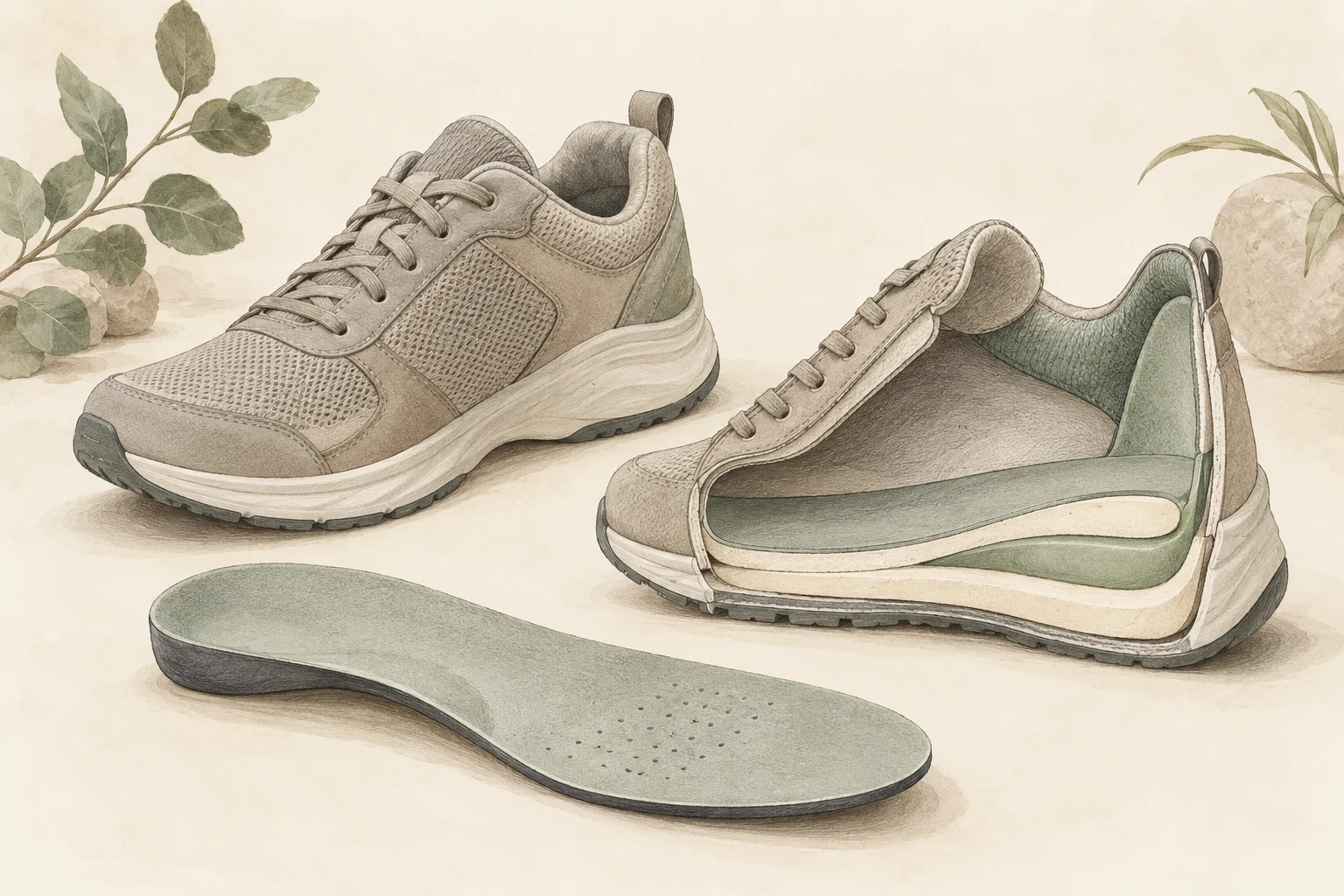
Take what you're already using. An existing shoe with a shaped footbed can change the comparison. Sometimes the bottleneck is in the area of the shoe, the daily load or a symptom that has to be investigated differently. So the first choice doesn't have to be a new pair of custom soles. A targeted demand prevents unnecessary accumulation of tools.
What does the research say about customization?
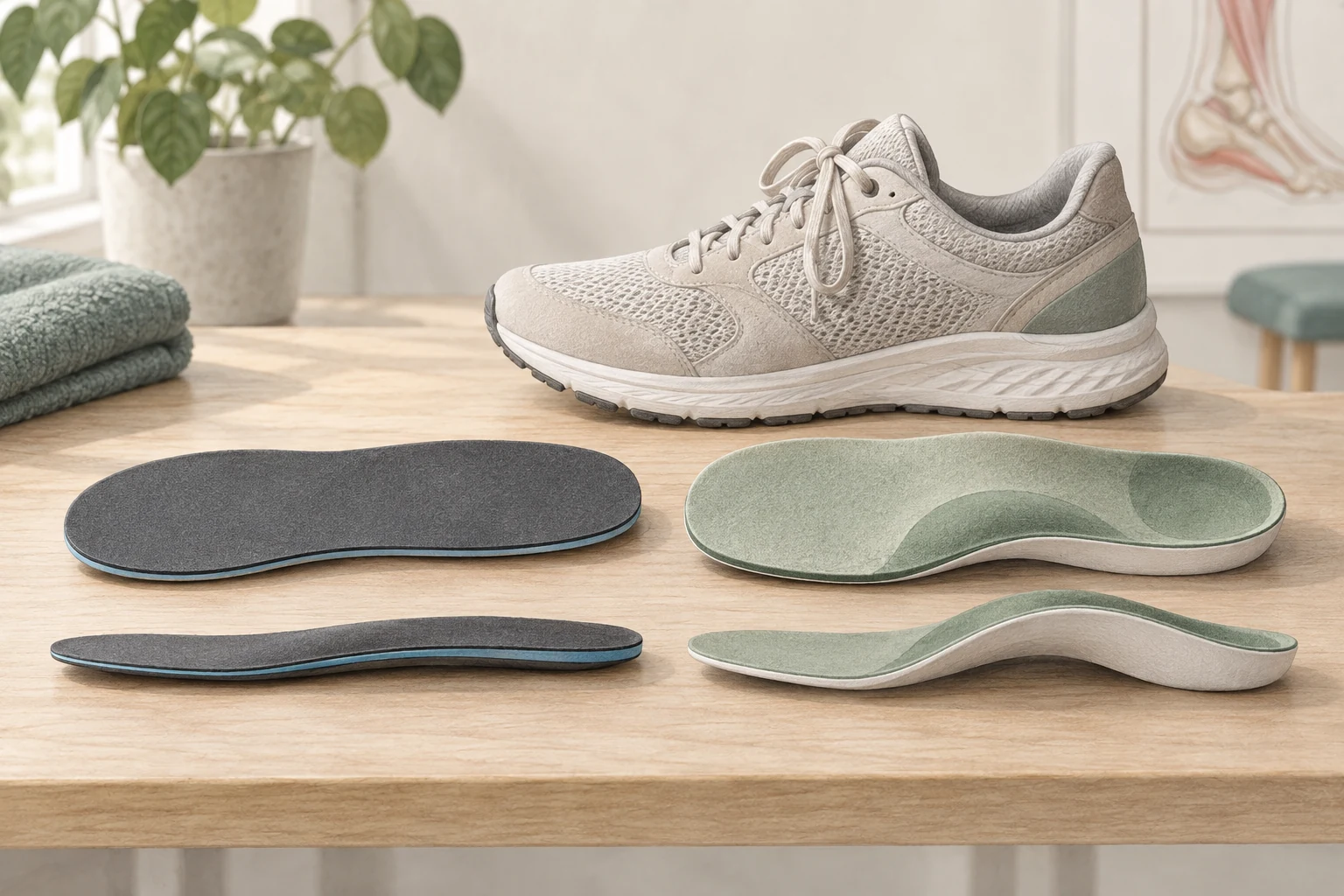
The Dutch guideline on customised soles indicates uncertainty about effectiveness and added value vis-à-vis prefab soles. It recommends transparently discussing expectations and costs. Individual assessment of foot function and use remains relevant, but does not guarantee the treatment effect.
For research results, it is useful to ask what was compared with. A standard sole may have been performed differently per study. A comparison with a custom check shoe is not the same as comparing with doing nothing. Therefore, don't let a large marketing difference between the "Just' and "Medical Customisation' range determine the whole choice. The foundation, your purpose and practical usability belong together on the table.
Comfort and appropriate use determine what you can really try
A sole that only fits in one pair of shoes while wearing other shoes at work may not solve your main problem. Please discuss in advance in which shoes you will use it. Note space for the foot, pressure at the edges, hold on to the heel and whether you are going to walk differently to tolerate the combination.
A process of rehab can be agreed, but that does not mean that every new pain must be accepted. Ask which reaction is the reason to have the fit checked. Especially in case of loss of feeling, skin problems or diabetes, extra attention to pressure spots is advisable. Please report such circumstances before choosing a tool, so that the opinion can follow.
Make a limited and clear comparison
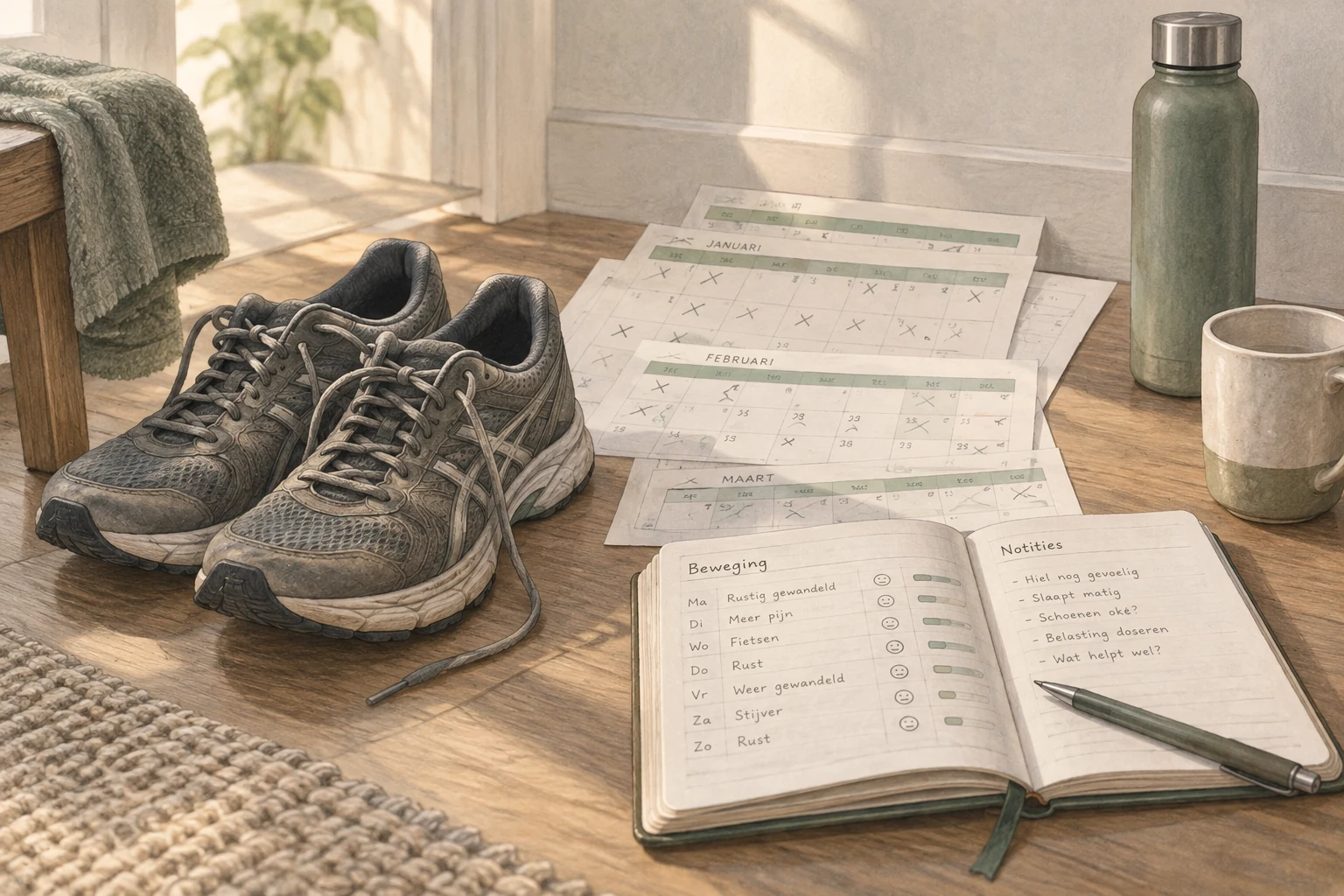
Preferably do not change the soles, shoes, walking distance and exercise load simultaneously. Otherwise, it's hard to tell what makes a difference. Choose a concrete activity that you do regularly. Note whether it is more pleasant, whether there is new inconvenience and whether the advantage remains noticeable later in the day.
One example: your goal is to be able to do an errand without having to shorten the route along the way. Compare a trusted shopping route under reasonably similar conditions. A one-time successful hike after a quiet week doesn't prove a lasting effect. Nor does one busy, painful day mean that the sole is useless. Look at a repeatable pattern and arrange an evaluation.
Costs and follow-up arrangements are part of the choice
Before purchasing, ask what you pay for research, manufacture, adjustment and control. Also inform what happens when the sole does not fit properly or the agreed goal does not come nearer. Compensation depends on the insurance and conditions; do not rely on a general promise on a website.
Thuisarts calls soles as one of the possibilities of long-term helping, with uncertainty about the functioning of treatments. This offers room for a personal trial, without anyone having to make the same investment. It is reasonable to ask whether a less radical option can first be assessed and which argument adds customization in your case.
A decision sheet for procurement and evaluation
Fill in these six rules together with the consultant:
- My main activity that's going to be difficult right now is...
- The sole should help in this ...
- I use the sole in these shoes and circumstances ...
- These are the total agreed costs and control arrangements ...
- With these new symptoms or fitting problems I contact ...
- We assess the result on the basis of ...
The sheet does not give a guarantee, but makes the choice verifiable. When the sole adds little, the evaluation also includes the question of whether adjustment, stopping or any other assessment makes more sense. Keep wearing a tool endlessly just because it's ever been measured doesn't necessarily have to be the best follow-up step.
Frequently asked questions
Are custom-made soles always better?
That hasn't been proven for anyone with heel pain. Customisation can have an individual practical reason, but the Dutch guideline indicates uncertainty about the added value compared to prefabsoles. Ask what specific problem the customization should solve with you.
How soon do I need to know if a sole helps?
A direct comfort response and a useful effect in daily life are different things. Arrange an appropriate moment of evaluation and an objective. Have previously checked for new pressure spots or marked deterioration; do not wait just because a fixed trial period is still running.
Can soles replace exercises?
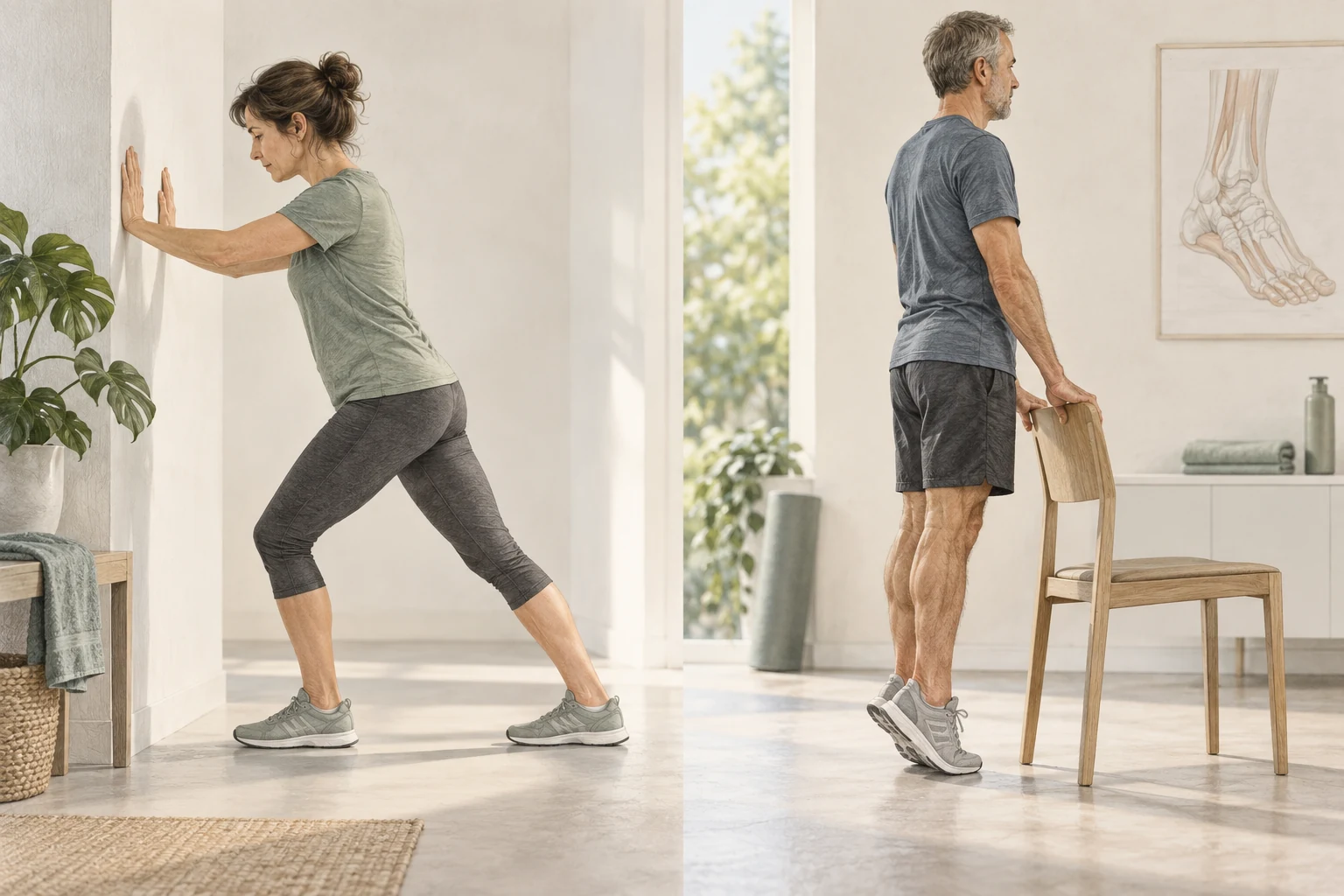
Not automatically. A sole can be part of the approach, while explanation, load alignment and exercises remain relevant. Discuss how the parts work together and prevent a tool from taking over the entire treatment plan without explanation.
Do I have to wear soles forever?
That doesn't follow automatically from the first purchase. The utility can change if symptoms and activities change. When evaluating or continuing, adjusting or using carefully, it is useful, taking into account the original reason and your reaction.
Sources and evidence
- guideline Fasciopathy plantar — Customised soles (2026) ↗
Uncertainty about impact, comparison customization and precast, expectations and costs.
- Thuisarts — Choosing heel track and treatment for a long time (2026) ↗
Discussion of tools and exercises in long-term helping.
A personal follow-up step
From insight
to an appropriate plan.
At a paid intake, we'll discuss your symptom and do targeted research. ultrasound is included at no extra cost when it makes sense. Any treatments are agreed separately.
View the initial consultation